Dead in the water
OPINION: In a victory for common sense over virtue signalling, David Parker's National Policy Statement (NPS) work on freshwater is now dead in the water.
 increase font size
 National Party leader Simon Bridges.
This weekend’s announcement the Government plans to cap dairy herds is ill thought-out political grandstanding, National Party leader Simon Bridges says.
DairyNZ says there was no call by the Government for a cut in cow numbers.
"David’s Parker’s announcement that the Ardern-Peters Government plans to regulate to reduce the number of cattle that farmers are allowed per hectare of farmland is yet another example of their unchecked assault on the regions,” Bridges said in a statement.
Environment Minister David Parker told TVNZ's Q+A programme that there were too many cows in New Zealand.
However, the there would not be a direct cap on the number of cattle but there may be limits on the amount of nutrients lost from a farm into a waterway.
"Cow numbers have already peaked and are going down, but yes, in some areas, the number of cows per hectare is higher than the environment can sustain. That won't be done through a raw cap on cow numbers; it will be done on nutrient limits, the amount of nutrient that can be lost from a farm to a waterway, because it's not just a dairy cow issue,” Parker said.
Bridges says the new Government blindsided the oil and gas industry; “now they’ve done the same to the dairy industry”.
“In both examples, there’s been no analysis, no consultation - and they have no plan.
“We all agree water and environmental improvements need to be made but they need to be achieved through implementing a considered plan that all parties can work through over time.”
He says the National Government set very specific national limits on nitrates, phosphorous, E.coli, algae and ammonia through the National Policy Statement we put in place in 2014 and 2017. This put limits on diary conversions in sensitive catchments and is progressively being rolled out by regional councils.
“In 2017 we agreed with farmers a plan for 56,000km of fencing along waterways over 12 years to come into effect in December 2017 - which this new Government has not progressed.
“Solving water quality issues is a team effort – for urban and rural communities and is not something to be imposed solely on farmers – who’ve actually played a massive part in investing and working up solutions to help improve the way they operate.
“What we’re seeing from this Government is pretty cavalier. They’re coming out with some bold statements driven by values, and not actually by hard evidence.”
OPINION: In a victory for common sense over virtue signalling, David Parker's National Policy Statement (NPS) work on freshwater is now dead in the water.

OPINION: When we finally get a government (no agreement had been finalised at time of writing), the first thing the new administration needs to review is all the regional and district plans that are being rolled out across the country to comply with the new National Policy Statement (NPS).
OPINION: Environment Minister David Parker, likely in the final weeks of the job, remains hell-bent on burning bridges with farmers.
New national standards will give local councils more power to decide where new commercial forests – including carbon forests – are located, to reduce the impacts on communities and the environment, says Environment Minister David Parker.
Environment Minister David Parker has labelled members of rural ginger group Groundswell NZ as “dinosaurs”.


Federated Farmers says it welcomes Labour's commitment to reviewing the Sharemilking Agreements Act, calling on other major parties to do the same.
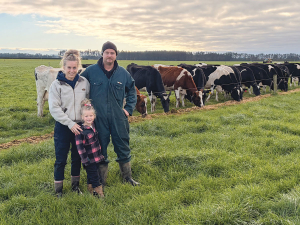
For Canterbury dairy farmers Sian Meijer and Rick Wobben, wearable technology has become one of their most valuable on-farm tools - helping manage 1850 cows across an expansive, high-performing dairy operation while improving efficiency, mating outcomes and day-to-day decision making.
Fonterra has unveiled its annual results for the 2026 financial year, posting $27 billion in revenue and close to $20 billion returned to New Zealand farmer owners and unit holders.
The first major update to the Dairy Cattle Code of Welfare in more than a decade has been released, marking what DairyNZ describes as an important step in ensuring animal welfare standards continue to evolve alongside scientific evidence and on-farm realities.
Ravensdown shareholders have elected Jane Montgomery and Kate Acland to the Ravensdown Board for three-year terms, following a closely contested director election.
Federated Farmers says new legislation replacing the Resource Management Act will cut red tape, unlock investment and help grow New Zealand's export-led economy, after the Planning Bill and Natural Environment Bill passed their third reading in Parliament yesterday.