Westpac Urges Farmers to Prepare Now for El Niño Drought
Westpac NZ is calling on farmers and growers to start preparing now for the possibility of a dry summer, as likely El Niño conditions raise the risk of drought across parts of the country.
 increase font size
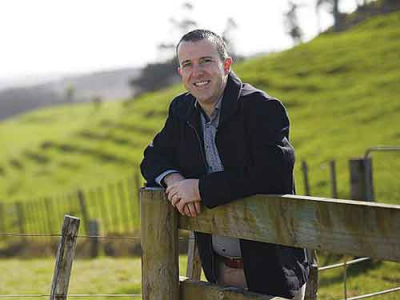 ASB’s senior rural economist Nathan Penny.
Westpac senior analyst Anne Boniface says fears of tighter international supplies, particularly for whole milk powder, helped dairy prices squeeze higher in the first few Global Dairy Trade auctions of 2018.
While Westpac has upgraded its forecast to $6.50/kgMS, slightly ahead of Fonterra’s estimate, it continues to caution against extrapolating recent trends too far into 2018.
“Our view remains that growth amongst NZ’s key trading partners is likely to slow this year, led by China.
“Chinese policymakers are poised to follow through with moves to rebalance their economy, reduce the risks generated by rapid credit expansion and put the economy on a more sustainable growth path.
“And while the consumer sector isn’t the focus for Chinese policymakers, they are unlikely to escape a period of slower growth completely unscathed.”
ASB’s senior rural economist Nathan Penny observed that NZ weather’s wild ride continued with storms and flooding in some regions in January and February.
“On the production side, we expect the improved weather will lead to production growth of 1% compared to last season. That said, there will be wide variations across the country given the varying extent of storms, drought and rainfall.”
Penny says they expect some of this price strength will be temporary. In particular, weather to date in 2018 has improved, with most regions getting substantial rain.
“So production is likely to improve later in the season.”
Westpac NZ is calling on farmers and growers to start preparing now for the possibility of a dry summer, as likely El Niño conditions raise the risk of drought across parts of the country.
Milk powder prices are keeping farmgate prices up, helping processors offset the dip in milk fat prices.
OPINION: With 10,500 dairy farms, New Zealand continues to punch above its weight around the world.
A milk glut around the world shows no sign of easing, putting downward pressure on farmgate milk prices for the next few months.
Fonterra has reduced its forecast 2026/27 Farmgate Milk Price.


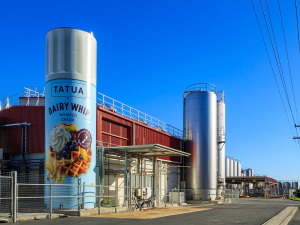
Waikato milk processor Tatua has again declared a record milk payout to farmer shareholders, leaving other processors in the dust.

A Labour-led Government won’t be bringing back the controversial freshwater rules of 2020.
National’s much-touted free trade deal with India featured in the Rural Issues Debate at Mystery Creek, Hamilton on Wednesday night.
New Zealand's 2026-27 freshwater fishing season has opened, with anglers encouraged to head to rivers and lakes over the coming days as conditions look favourable across much of the country.
Central Otago District Council (CODC) has voted against a plan to spread treated sewage sludge from Cromwell and Alexandra on farmland near Lauder, a decision Federated Farmers says reflects strong opposition from rural residents.
Pāmu has released its FY26 Integrated Annual Report, reporting a Net Operating Profit of $113 million, more than double the $49 million recorded in FY25.