International Day of Rural Women: Two DairyNZ Farmers’ Stories
Today, 15 October, is the International Day of Rural Women, which recognises rural women’s contribution to farming, communities and the environment.
 increase font size
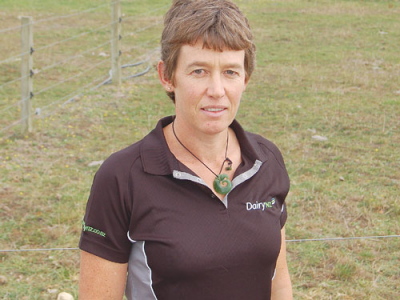 Jenny Jago.
DairyNZ has endorsed a raft of new animal welfare regulations on various procedures such as castration, docking and debudding, and stock transport.
Approved by Cabinet at the end of March, the rules will strengthen New Zealand’s animal welfare system, said the Associate Minister of Agriculture responsible for animal welfare, Meka Whaitiri.
“These regulations will have a significant effect on the humane treatment of our animals,“ she said.
DairyNZ strategy and investment manager Jenny Jago said the new regulations are a positive move.
“NZ is already recognised as having a strong reputation for animal welfare and these regulations will further strengthen the framework that underpins this.
“Cows and people are the heart of every farming business and the majority of dairy farmers take real pride in their herd’s care and how farming practices are undertaken onfarm. Many dairy farmers are meeting these regulations now.
Jago said the new rules align with the aim of having NZ farmers world leading in onfarm animal care.
Meka Whaitiri said most animal welfare offences are not very serious and may not warrant a prosecution under the Animal Welfare Act. So the new regulations introduce penalties and fines to deal with such offences.
“For example, people who leave distressed dogs in hot cars will be liable for a $300 fine and people can now be fined where sick or injured farm animals are transported to slaughter plants,” she said.
“These regulations were developed during three years work by industry and advocacy groups, and after formal public consultation. Over 1400 submissions were received and analysed, and most supported the regulations.
Pain relief
The main regulations for cattle include:
Trucking: animals with ingrown horns or horn injuries, lame animals, animals with injured or diseased udders and with advanced cancer eye will not be acceptable for trucking unless a veterinarian has provided a certificate.
Tail docking: nobody may shorten or remove the tail of any cattle beast.
Castration: when castrating or shortening the scrotum of a bull over the age of six months, pain relief must be used (for any method of castration). If high tension bands are used to castrate an animal, local anaesthetic must be used to provide pain relief (at any age).
Disbudding: pain relief required at all ages.
Dehorning: pain relief required at all ages
Assisting calving cows: no use of traction with a moving vehicle, motorised winch or any other device that does not allow for the quick release of tension.
Other regulations cover cattle with ingrown horns, prohibited methods of milk stimulation, a minimum weight for the use of electric prodders and approved methods of castration.
Most of the regulations come into force on October 1 this year, except for the pain relief requirements for disbudding and dehorning cattle which come into effect in October 2019.
Today, 15 October, is the International Day of Rural Women, which recognises rural women’s contribution to farming, communities and the environment.
The first major update to the Dairy Cattle Code of Welfare in more than a decade has been released, marking what DairyNZ describes as an important step in ensuring animal welfare standards continue to evolve alongside scientific evidence and on-farm realities.
Have a plan in place for your cows and staff.
DairyNZ deputy chair Cameron Henderson has been re-appointed unopposed for another term.
OPINION: The stats speak for themselves.


Federated Farmers has welcomed new rural policies released by ACT, saying they align closely with its own election priorities.

Rural Contractors NZ says proposed changes to land transport rules for agricultural vehicles are a welcome response by the Government to out of date regulations which have seen members hit with huge fines.
Alliance is calling for final applications for its 2027 Graduate Programme, with applications closing on Sunday 25 October.
Decades piloting planes has ensured vet and farmer David Hayes is focused on safety. So, after a serious accident while welding on farm, he is sharing his experience so others can learn from it.
Canterbury milk processor, Synlait Milk has confirmed Leon Fung as its chief executive officer.
OPINION: Making it easier to collect rainwater and use it to grow crops and livestock is a no brainer.