Farm Worker Appreciation Day: Thanking NZ's Dairy Teams
OPINION: Today marks Farm Worker Appreciation Day – a day we’re proud to recognise here in New Zealand.
 increase font size
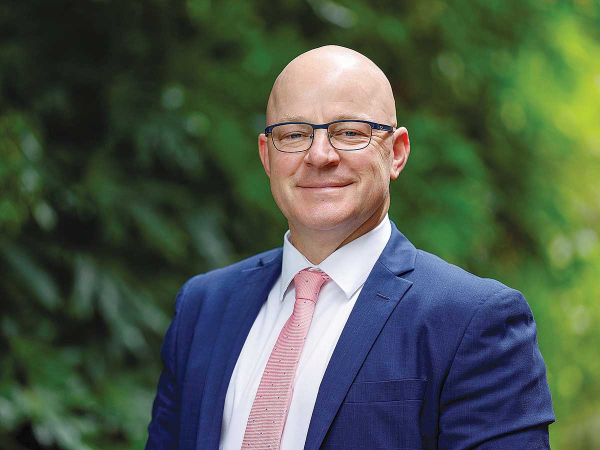 Associate Health Minister Matt Doocey says the new funding will allow better training for rural clinicians.
Rural New Zealand is welcoming the Government’s recent package of rural healthcare initiatives.
The package, announced last month, includes $2.5 million funding for a Point of Care Ultrasound (POCUS) training and support, expanded access to Primary Response in Medical Emergencies (PRIME) training, and $6 million for a refreshed National Rural Recruitment and Locum Support Service.
Associate Health Minister Matt Doocey says that giving rural clinicians better training will mean more people can get the care they need closer to home, while ensuring that those who do need hospital care can be identified sooner.
“When someone needs urgent care in a rural community, having a highly trained clinician nearby can make all the difference,” Doocey says. “We’re making it easier for more clinicians to get the training they need so they’re ready to respond.”
Bronwyn Main, Rural Women New Zealand (RWNZ) board member and health policy action advisory group convenor, says RWNZ welcomes the announcement of the new investments.
“The investment is a positive step towards addressing some of the unique healthcare challenges faced by rural communities,” Main told Dairy News.
She says that investing in tools and training that expands what can be done in a rural setting is a practical way to back the people who care for their communities.
She says that the investment is “part of the puzzle and a positive step”, however the realities of rural life – issues like accessibility, distance, and isolation – are still proving to be a barrier for medical care in rural communities.
“For many rural families, a healthcare appointment isn’t just an hour out of your day. It can mean a round trip of several hours, taking leave from work, organising someone to pick the kids up from school, or finding childcare,” Main says.
Meanwhile, Hauora Taiwhenua Rural Health Network chief executive Dr Grant Davidson says the announcement demonstrates the value of sustained advocacy and constructive engagement with Government.
“For many years we have consistently advocated that improving rural health outcomes requires investment in the people delivering care,” Davidson says.
He says the announcement recognises that rural clinicians require the correct training, support and workforce solutions to provide equitable healthcare for rural New Zealanders.
“Workforce recruitment and retention remain among the greatest challenges facing rural health providers. Expanding the service to include registered nurses and allied health professionals recognises the multidisciplinary nature of modern rural healthcare and will help build more sustainable teams,” says Davidson.
However, he says there is still more work to be done.
“Rural health services continue to face workforce shortages, funding inequities and increasing demand. We look forward to continuing to work alongside government, Health New Zealand and our sector partners to ensure rural communities receive the healthcare they deserve.”
OPINION: Today marks Farm Worker Appreciation Day – a day we’re proud to recognise here in New Zealand.

Deputy Prime Minister and ACT Party leader David Seymour says advocacy group Rural Women New Zealand (RWNZ) has submitted against a controversial bill without consulting its members.
Women up and down the country are the glue that hold rural communities together, giving so much to so many, says the inaugural Rural Woman of the year award winner Kate Acland.
The regions that will host clinical training for the University of Waikato's new medical school from 2028 have been confirmed, alongside a new nationwide approach to clinical placements for medical students.
The Government has announced it is backing a new initiative designed to grow grassroots rural wellbeing leaders.


Farmer-owned fertiliser company, Ballance Agri Nutrients is welcoming National’s plan to negotiate security agreements with key supplier countries to protect New Zealand-bound products from export restrictions and greater supply chain certainty.

Carrfields has announced the appointment of Stu Hall to the newly created role of chief operating officer, Carrfields Ltd, reflecting the continued growth of their agribusinesses and the need to ensure the company has the leadership capacity and support in place as it pursues the emerging opportunities ahead.
New Zealand's role is not to compete with Indian growers, according to NZ Apples and Pears.
The potato industry is celebrating the success of two rising stars - James Blair, the 2026 Young Grower of the Year and runner-up and innovation award winner, Amber Davy.
Twenty-eight emerging leaders from across the horticulture sector spent two days last month learning valuable skills and connecting with industry experts.
There are five entrants in this year’s Young Horticulturist of the Year, competing in a series of technical, practical, business and leadership challenges.