Fonterra Elections 2026: Voting Opens Tuesday 20 October
Fonterra shareholders can begin voting on Tuesday 20 October in the 2026 Board of Directors’ election, a Co-operative Council election in one Ward, and seven Annual Meeting resolutions.
 increase font size
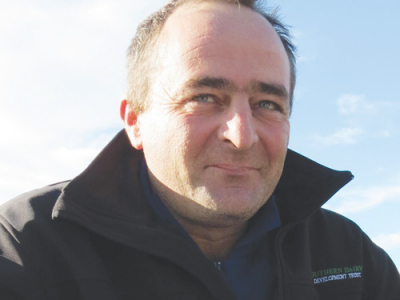 Matthew Richards, Southland Dairy Hub chairman.
The new Southern Dairy Hub in Invercargill will start milking cows next season.
The 349ha property will run 640 cows next season but plans to increase cow numbers to 800.
AgResearch and DairyNZ have each paid $5 million towards the venture and the Southern Dairy Development Trust, made up of farmers, has put in $1.25m.
AgResearch chairman Sam Robinson says the organisation has played a key role in developing the property at Makarewa, 15km north of Invercargill. The new facility will be made up of two independently owned adjoining beef and sheep farms.
“The plan is to convert the existing farm operation into a dairy farm this season and then supply Fonterra at the start of the 2017-18 season. It will initially milk 640 cows but that will increase to around 800 cows,” Robinson says. “It will further the science developments in the sector.”
DairyNZ chair Michael Spaans says its investment in the hub reflects the importance of dairying in the south and is a prompt for innovation, industry-led research and education.
“The hub will provide relevant, up-to-date local research for Southland dairy farmers. [Now comes] the development phase, and farmers will see research getting underway next season.
“This is a key project for DairyNZ and Southland dairy farmers will gain a lot of value from it.”
The hub project recognises that dairy farming techniques used in other parts of New Zealand are not easily adapted in Southland, given its unique landscape, climate and soil types, DairyNZ says.
Matthew Richards, chair of the Southern Dairy Development Trust, referred to the region’s long dairying history and its important role in the community.
“This development will help southern farmers further increase farm efficiency, productivity and sustainability, and thus continue to enhance the wider southern region.”
Fonterra shareholders can begin voting on Tuesday 20 October in the 2026 Board of Directors’ election, a Co-operative Council election in one Ward, and seven Annual Meeting resolutions.
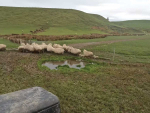
Southland's wet winter and spring will potentially cost Wyndham sheep and beef farmer Ben Dooley between $100,000 and $120,000 in lamb losses.
Fonterra Co-operative Group chief financial officer Andrew Murray has resigned to take up a role outside the dairy giant.
Today, 15 October, is the International Day of Rural Women, which recognises rural women’s contribution to farming, communities and the environment.
Four candidates have been confirmed for two director positions on Fonterra’s board.


Federated Farmers has welcomed new rural policies released by ACT, saying they align closely with its own election priorities.
Rural Contractors NZ says proposed changes to land transport rules for agricultural vehicles are a welcome response by the Government to out of date regulations which have seen members hit with huge fines.
Alliance is calling for final applications for its 2027 Graduate Programme, with applications closing on Sunday 25 October.
Decades piloting planes has ensured vet and farmer David Hayes is focused on safety. So, after a serious accident while welding on farm, he is sharing his experience so others can learn from it.
Canterbury milk processor, Synlait Milk has confirmed Leon Fung as its chief executive officer.
OPINION: Making it easier to collect rainwater and use it to grow crops and livestock is a no brainer.