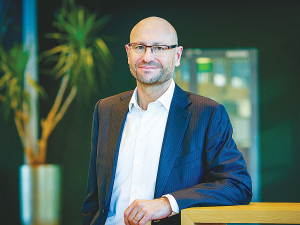
Southland is teetering on the edge of a bad situation, according to DairyNZ’s lead consulting officer in the South Island, Tony Finch.
He says if they can’t get rid of cull cows soon and if the weather doesn’t play its part, current problems will get even worse.
Southland is facing a major feed shortage, but not because of the drought – because of too much rain. The problem is that farmers came out of a pretty hard winter and a very wet spring, which delayed any winter crops being put in the spring, says Finch.
“A lot of crops failed because of the wet, with the result that yields have been severely checked as we come into winter, with some down as much as 40 %. On top of that there is significant winter feed challenge because, during the floods, some feed was lost and farmers just had to keep feeding out to keep their farms going,” he told Dairy News.
Finch says there has been a little bit of good news in that the autumn has been very good and some pastures have come back, but he adds it’s far from perfect. He says the problem in Southland is that the animals are grazed off on winter crops and that’s when the challenge will come.
At the moment, the big issue for dairy farmers in Southland is getting their cull cows through the meat works. This is not a Covid-19 related issue, because on beef chains the normal distance between workers is about a metre or two. The problem is a huge back-log.
“We have been told there is a four to six week delay and that will mean it won’t be until the end of June before the back-log is cleared.
“In the meantime some farmers are carrying in excess of 50% more culls than normal – they still have to be fed. What you have is extra animals to feed and less grass, so all it will take is a bad weather spell, and Southland does have these, and it will provide a lot more anxiety for farmers not being able to exit culls,” he says.
Finch says like their counterparts in the North Island, Southland farmers have been looking at reducing their herd sizes, but again the delays in the works is challenging this move. He says many can’t afford feed and those that can, are finding it difficult to source feed.
“Silage is simply not available and the option of using PKE or grain is only possible if farmers have indoor facilities to feed this to animals. It is bringing farmer anxiety to a level where they are saying ‘oh shit, what am I going to do here’,” he says.
Finch says DairyNZ is working with Beef+LambNZ and other strategic partners to try and help farmers do good feed budgets and get good professional advice.