Good effluent management on a dairy farm combines a well-designed system with proper processes to ensure the right amount of effluent gets applied to pasture at the right time.
This not only saves on fertiliser costs and enhances soil health but also helps prevent animal health problems and ensures compliance with local rules.
Understanding soil water deficit is crucial to prevent run-off and applying effluent to saturated soils. There are tools available, such as the DairyNZ Farm Dairy Effluent Spreading Calculator, to help manage the application of effluent nutrients with precision.
Finally, regular maintenance of the irrigation application equipment is vital for optimal performance.
On-farm benefits of good effluent management include:
Fertiliser savings
Improved soil condition
Prevention of animal-health issues
Compliance with council rules or resource consent.
Farm dairy effluent systems manage waste from the dairy farm. Choosing the right system requires professional advice, considering future plans, and picking the right person for the job.
Pick a system suited to your farm’s needs, including factors like landscape, climate, and soil type.
When making the decision to install or upgrade a farm dairy effluent system, it’s important to ask the right questions, gather information and take professional advice.
A system must work well for many milking seasons to come, so it’s important to consider the following:
- Find the right person for the job
- Establish your system requirements
- Make sure future plans are taken into account
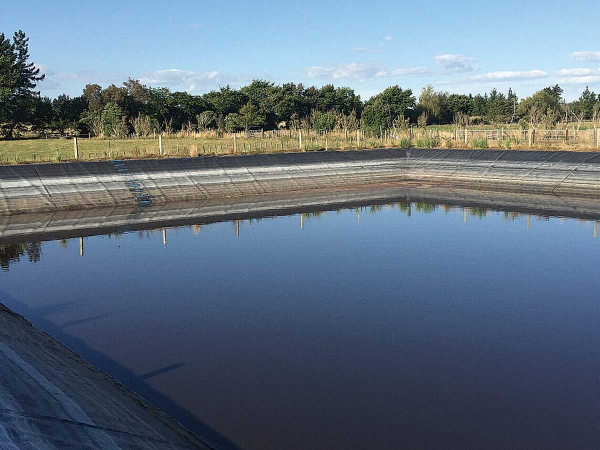
Effluent storage on the farm is crucial and requires careful planning and design.
With a well-designed storage system, the farmer will experience peace of mind, improved irrigation, efficient use of nutrients and water, and enhanced environmental protection.
Storage options include lined ponds and above-ground tanks, each with their own advantages and drawbacks. To select the perfect storage, consider factors like cost, installation conditions, and local regulations. Liner choices range from compacted clay to synthetics like polyethylene. Tools like the Dairy Effluent Storage Calculator can help determine storage needs. Also, resources like video guides and technical literature are available to help in the planning and construction process.
Having a well-designed and constructed storage facility will save time and money. The key is good planning and working with the right people. The benefits of a well-designed storage system include:
- Peace of mind
- Increased flexibility around irrigating
- Effective utilisation of nutrients and water
- Reduced risk of effluent non-compliance
- Environmental protection
Pasture Application
To get good value out of effluent and reduce environmental risk, consider setting-up an effluent management plan for the team to use. The management plan should consider:
- Maintenance and performance checks. Good practice is to keep up with maintenance and undertake frequent irrigation bucket tests to ensure your system is operating as intended.
- Timing of application. The best way to ensure that plants can take up nutrients from effluent is to only spread it when there is sufficient soil moisture deficit.
- Rate of application/depth of application. Ensuring the effluent is applied at a rate that can infiltrate the soil and not pond or run off, preventing drainage beyond the plant roots.
- Actively managing storage levels. Ensuring storage levels are monitored and reduced during fine periods to prevent full systems heading into this higher-risk times of the year.
Smell Trouble
Odour from farm dairy effluent is increasingly an issue as herd sizes grow and urban boundaries get closer to operating farms.
Odour issues can also be a regional council compliance concern and management of odour is often referred to in effluent consents.
Sources of odour include ponds, tanks, solids separation systems, sludge piles, feed pads, and silage stacks. Effluent application, the desludging of ponds and muck spreading operations also release odour.
If the regional council receives a complaint about odour, the council will come out to the farm and assess the situation. Infringement/abatement notices may be a potential consequence.
Identifying the odour issue and source
If a neighbour complains about an objectionable odour, a farmer must investigate further. This is generally a problem that disappears quickly. Often the main culprit is the effluent storage pond, although it does pay to check that there's not a problem with effluent stored in the main lines.