Early Calf Nutrition Linked To Better Growth And Future Milk Production
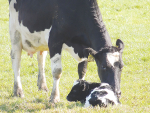
Giving calves the best possible start to life has been shown to boost growth and resilience.
 increase font size
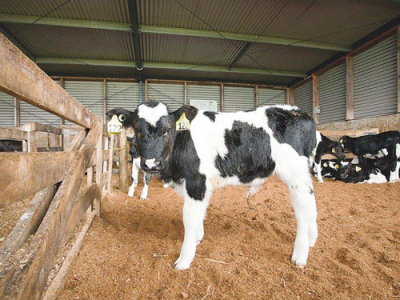 When sending or receiving calves, farmers involved should record it online in the NAIT system.
Dairy farmers and lifestyle farmers rearing calves must do all their paperwork, says OSPRI.
The agency says calf rearers should be mindful of their NAIT obligations and must complete and retain an Animal Status Declaration (ASD) form.
This means calves intended for rearing or selling need to be NAIT tagged and registered in the NAIT system prior to their first movement off-farm or within six months of birth whichever comes first.
When sending or receiving calves, the farmers involved should create and confirm the ‘movement‘ and record it online in the NAIT system, and send with the animals a paper ASD form.
Bobby calves less than 30 days of age and consigned directly to slaughter are the exception as they are managed through meat processor regulations.
Managing and moving calves in line with NAIT rules is especially important because about 1.5 million calves are reared annually.
An animal’s lifetime traceability requires that its point of origin be known; this requires that farmers meet their NAIT obligations including an ASD for each group of animals leaving the farm.
Southland dairy farmer Nigel Johnston says farmers should be aware of the different requirements if selling calves to a rearer or putting them on a bobby truck.
“Perhaps some farmers have overlooked this or weren’t sure, but there are no excuses and we all have a role to play in ensuring everyone is doing their NAIT, and doing it properly.
“It’s a no-brainer, especially in the instance of a disease outbreak as it will ensure effective traceability with rapid tracing of movements and from what locations. Then, after the initial response, further biosecurity risks can be swiftly identified and diagnosed through the ongoing animal surveillance and monitoring that is required.
Johnston also recognises the value of an ASD form as part of enhancing the current livestock traceability system and says it gave farmers a “peace of mind” at the saleyard when looking to buy calves or livestock.
“It’s critical for your business to know you aren’t inheriting a problem which could morph into a disease or biosecurity risk on your farm.
“The beauty of an ASD is you can find out about the calves’ health status and how long they’ve been at their previous locations before buying.”
In the event of a disease outbreak, the effectiveness of a government and industry response relies on farmers entering accurate and up-to-date information about calves or livestock into the NAIT online system.
OSPRI says farmers who flout the rules will be subject to compliance monitoring, and if necessary onsite inspections and enforcement will be done by MPI.
Giving calves the best possible start to life has been shown to boost growth and resilience.

The first weeks of a calf's life quietly shape the future of the entire herd.
In calf rearing, the smallest details often have the biggest impact. While feed and genetics remain critical, bedding is increasingly recognised as a key driver of calf health, growth, and overall performance.
For decades, probiotics in calf rearing have been treated as a reactive tool – something to reach for when illness strikes. That thinking, according to Matt Collier of Probiotic Revolution, is leaving significant money on the table.
When a cow goes down after calving, it is easy to blame the calving itself. Milk fever, calving stress, poor weather, bad luck. Yet many down cows are not caused by one dramatic event. They are the end result of poorly transitioned cows entering calving under nutritional pressure.

Esther Guy-Meakin has been announced as the new chief executive of the New Zealand Meat Board (NZMB).

According to a progress report on the Aotearoa Horticulture Action Plan (AHAP), New Zealand's horticulture sector is making real progress on the big issues facing growers.
A team effort that is paying dividends for the wider New Zealand economy.
A strong sense of community involvement is what propelled the Federated Farmers' North Canterbury president Bex Green to the honoured title of the Feds' Advocate of the Year 2026.
The country's second largest milk processor is warning against 'complacency' during a review of competition regulations in the dairy sector.
Oamaru-based livestock handling specialist Te Pari has bought Combi Clamp, the New Zealand manufacturer of Combi Clamp manual sheep handlers.