How Trace Minerals Support Dairy Cow Recovery Pre-Mating
By September, pre-mating heat recording is underway on many spring-calving dairy farms.
 increase font size
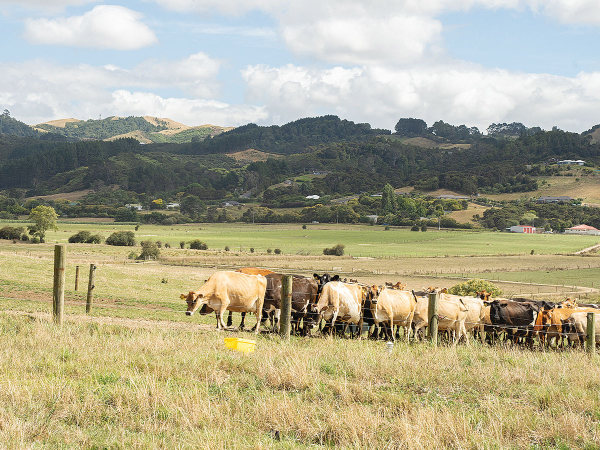 Mineral supplementation helps keep the herd resilient under stress.
Summer challenges dairy farming in unique ways. Heat stress, paired with changes in pasture quality can affect milk composition and overall productivity.
However, an often overlooked solution is targeted mineral supplementation, which offers a pathway to maintaining milk quality and profitability through the warmer months.
Why milk quality suffers in summer
As the temperature rises, cows experience heat stress, leading to reduced feed intake, dehydration, and nutrient imbalances. Summer pastures can lack the mineral density found in cooler seasons, affecting essential nutrients cows depend on for milk production. These nutrient gaps often lead to drops in milk yield and changes in composition, particularly in protein and fat content, directly impacting the milk’s quality and, by extension, farmers’ incomes.
While other practices like strategic grazing and shade provision can support cow comfort, mineral supplementation addresses these challenges at a fundamental level, helping to keep the herd resilient under stress.
Ca and Mg for metabolic health
Calcium and magnesium play significant roles in maintaining milk quality. Calcium is essential for milk production and muscle and nerve function. During summer, calcium helps cows remain active, supporting regular feed and water intake – both important for consistent milk output.
Magnesium is necessary for energy production and supports good nervous system function and other key metabolic processes that can come under increased strain during heat stress. Supplementing during this time can improve milk production and composition.
Mineral supplementation should be viewed as a protective measure that helps dairy cows cope with the season’s demands.
Small amounts, big impact
In addition to calcium and magnesium, trace minerals like zinc, selenium, and copper are essential for maintaining milk quality during summer. Zinc supports skin and hoof health, which is vital in summer as cows are more active and may spend more time standing.
Selenium and iodine work together to offer antioxidant properties. These elements combat oxidative stress caused by high temperatures. Heat stress particularly impacts liver function, and selenium and iodine are key to maintaining good liver health during stress periods. Copper is important for immune function. Without good nutritional support, immune function will take a hit when the animal is under heat stress.
Zinc, in particular, has been linked to reproductive health, making it beneficial for autumn calving mobs. A healthy immune system, supported by these trace minerals, also directly affects milk quality. Cows that are resilient to heat-related illnesses can better maintain milk protein and fat levels. By integrating zinc, selenium, and copper into summer mineral plans, you’ll provide cows with the foundation for optimal milk composition.
One trace element often overlooked but important during heat-stress conditions is chromium. Trial work has repeatedly shown that chromium in the correct form is particularly important in mitigating heat stress.
 |
|---|
|
Chris Balemi |
Timing and type
When it comes to mineral supplementation, timing and formulation matter. Research shows organic mineral forms offer higher bioavailability, meaning cows absorb them more efficiently than inorganic options. With organic forms, cows benefit more from each dose, making them more cost-effective.
Starting your supplementation plan early is also beneficial. Introducing these minerals before peak summer helps cows build nutrient stores that they’ll draw on as temperatures rise.
Economic benefits
The economic case for mineral supplementation is clear: it is very cost-effective to identify the risk of heat stress early and take action before it takes a toll on your livestock.
Left untreated, heat stress can interfere with rumen function, increase lameness and empty cow rates, and reduce immunity and production.
A strong mineral programme can help protect herd health, and a good supplementation strategy offers stability in what can otherwise be an unpredictable time of the season.
Chris Balemi is the managing director of Agvance Nutrition.
By September, pre-mating heat recording is underway on many spring-calving dairy farms.
It's easy to look over a lush spring paddock and assume cows are getting enough usable nutrition. But while fast-growing pasture can give plenty of volume, in high moisture, variable dry matter and uneven mineral profile can leave real nutrition gaps when cows need it most.
There's a common assumption that effective transition cow management is only practical for high-input farms, as controlled rations can make delivery simpler.
When a cow goes down after calving, it is easy to blame the calving itself. Milk fever, calving stress, poor weather, bad luck. Yet many down cows are not caused by one dramatic event. They are the end result of poorly transitioned cows entering calving under nutritional pressure.
The dry period isn’t just a farm holiday but a chance to get your herd match-fit for calving and early lactation. If you treat it as a focused phase of preparation, recovery and capacity building, you’ll see the benefits when the cows return to milk.


Waikato milk processor Tatua has again declared a record milk payout to farmer shareholders, leaving other processors in the dust.

A Labour-led Government won’t be bringing back the controversial freshwater rules of 2020.
National’s much-touted free trade deal with India featured in the Rural Issues Debate at Mystery Creek, Hamilton on Wednesday night.
New Zealand's 2026-27 freshwater fishing season has opened, with anglers encouraged to head to rivers and lakes over the coming days as conditions look favourable across much of the country.
Central Otago District Council (CODC) has voted against a plan to spread treated sewage sludge from Cromwell and Alexandra on farmland near Lauder, a decision Federated Farmers says reflects strong opposition from rural residents.
Pāmu has released its FY26 Integrated Annual Report, reporting a Net Operating Profit of $113 million, more than double the $49 million recorded in FY25.