Strong Transition Cow Management Can Succeed in Any Farm System
There's a common assumption that effective transition cow management is only practical for high-input farms, as controlled rations can make delivery simpler.




 increase font size
 Ergot is a fungus (Claviceps purpurea) that can infect grasses and cereals, particularly ryegrass.
Summer can be a tricky period on farm. Cows approach the summer period milking well, but the summer heat causes rapid changes in pasture.
These changes can negatively affect cow performance. Farmers often observe a subtle drop in dry-matter intake, along with a drop in milk production, with no obvious reason. Cows can become fidgety and touchy in the shed. These signs could be the first indicator of an increase in ergot toxin, a toxic fungus that takes hold in ryegrass seed heads during times of plant stress. Ergot doesn’t come with a warning sticker, but it can bring a host of problems.
<pWhat are ergot toxins?
Ergot is a fungus (Claviceps purpurea) that can infect grasses and cereals, particularly ryegrass. When it infects a seed head, it can replace the normal seed with a hard, dark body called a sclerotium. If cows eat ergotcontaminated pasture or conserved feed, ergot alkaloids can affect appetite, blood flow, hormones, and heat control. New Zealand cases have linked ergotcontaminated feed with serious illness. Deaths from ergot toxicity are rare, but when they occur they are sudden and can affect large numbers of animals with little warning.
Why the seed head matters
As ryegrass goes to seed, cows can take in more seed head material in each mouthful. That is when exposure can rise, especially if ergot bodies are present. While seed heads are a sign of grass maturity, they’re also a prompt to look closer.
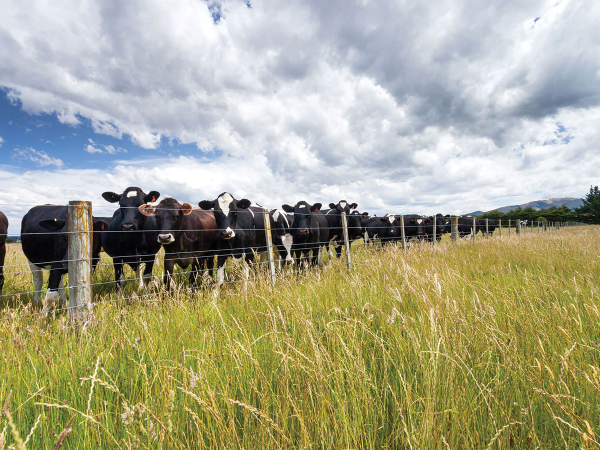
A simple paddock check works well. When pasture is starting to seed, walk the paddock and inspect seed heads. If you can see dark, hard bodies in the seed head zone, treat that paddock as higher risk.
MPI has also warned that feed affected by ergot is not fit for purpose under the ACVM Act, and it should not be fed to animals.
Early signs you might see
Ergot does not always look dramatic at first. On many farms it shows up as performance going backwards.
More serious signs can include swollen feet, increased lameness, or tissue damage to feet, tails, or lower legs in severe cases.
What it can look like in the paddock
If ergot is part of the picture, the pattern is often consistent across a mob and across breaks on the same paddock.
You can see changes earlier in the day than you would normally expect.
Ergot vs other ‘endophyte’ problems
Ergot can get lumped in with other pasture issues, so it helps to separate the likely culprits. Ryegrass staggers is linked to endophyte toxins like lolitrem B. It tends to show up as a ‘drunk’ gait, tremors, and coordination issues, worse when cows are moved or stressed. Ergot is different. The red flags are appetite and heat control first, then circulation problems in harder cases. You can have both problems occurring together, so don’t rely on one sign.
When risk lifts
Ergot pressure increases when there is humidity and heat. Under these conditions, grasses come under stress and start going to seed. The problem only gets worse when seed heads are present, especially if paddocks have been left longer, there is more stem, and cows are forced to graze tighter. It can also turn up in baleage, hay, or silage made from seeding pasture. Stock class matters. Lactating cows are less forgiving when intake drops, and pregnant animals are particularly at risk if blood flow is constricted.
If you suspect ergot, take photos of seed heads, keep a sample of the feed, and record which mob and paddock were involved. That gives your vet something to work with and helps you avoid repeating the same risk across the rotation.
What To Do Now
There is no antidote for ergot poisoning. The job is to avoid exposure early and get cows off suspect feed. Many cows improve once they are removed from the source.
There's a common assumption that effective transition cow management is only practical for high-input farms, as controlled rations can make delivery simpler.
When a cow goes down after calving, it is easy to blame the calving itself. Milk fever, calving stress, poor weather, bad luck. Yet many down cows are not caused by one dramatic event. They are the end result of poorly transitioned cows entering calving under nutritional pressure.
The dry period isn’t just a farm holiday but a chance to get your herd match-fit for calving and early lactation. If you treat it as a focused phase of preparation, recovery and capacity building, you’ll see the benefits when the cows return to milk.
March often brings a useful mix of opportunity and risk on New Zealand dairy farms.
OPINION: Late lactation is often viewed as a low-demand phase, when cows are winding down, and we dial down our supplements accordingly.



Testing confirms H5 bird flu in a single northern giant petrel, found dead on a remote Cape Palliser beach in the Wairarapa, says Dr Mary van Andel, the Ministry for Primary Industries' (MPI) Chief Veterinary Officer.

"What's for dinner?" may sound like a simple question, but for many Kiwi parents, answering it has become a job in itself.
Fifty Eight years ago, on the 16th of August 1968, August Claas, the founder of the harvesting company and father of Helmut Claas, personally presented a Claas Senator combine harvester to Scottish farmer John Steven.
New Zealand consumers are paying more for beef mince than ever before, with the average retail price now sitting above $24 per kilogram, according to Rabobank.
State farmer Pamu has delivered its strongest operating result on record.
Four years since it was first detected in New Zealand, researchers and growers now know much more about management of maize pest fall armyworm (FAW).




OPINION: After hogging the media limelight for telling a NZ Chinese MP to "go back home", Winston Peters has decided…
OPINION: With fuel prices soaring, one would have expected most farmers to be reclaiming excise duty on petrol.