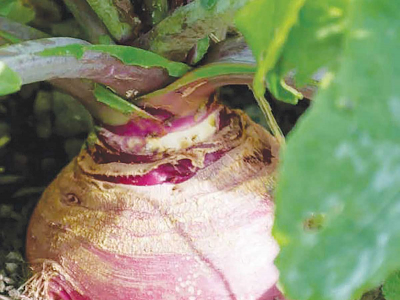
Turnips are a brassica root crop commonly used as a fast-maturing single-graze crop to bridge a summer feed gap and maintain milk production.
Turnips can be sown from spring through to late summer, autumn or winter depending on the cultivar. Turnips are grown onfarm to:
• help bridge a feed shortage and provide a high-quality feed to maintain or increase milk production
• to help establish new pasture by contouring and cleaning the soil of pests, weeds, and diseases reduce the amount of surplus pasture needing conservation in the spring, thereby improving pasture quality and production.
According to DairyNZ, there are two varieties of bulb turnips: the soft white-fleshed bulbs referred to as soft turnips or summer turnips, and the hard, yellow-fleshed bulbs referred to as hard turnips or sometimes described as winter turnips.
The higher-yielding, faster maturing soft, white fleshed turnip varieties (or summer turnips) are more commonly sown in dairy systems and are used for summer feed. This type of bulb turnip offers a high-quality feed to supplement summer pasture and maintain milk production. Testing shows an ME of up to 12-13MJ/kg DM and leaves are a valuable source of protein in summer.
Turnips need a minimum of 60-70 days and have no ripening requirements. The proportion of leaf to bulb varies with individual cultivar.
The harder types have better bulb-keeping ability but produce lower yields (t DM/ha) than soft turnips. Harder types are an option for single graze winter feed, or for later maturing summer feed. Winter turnips tend to have better tolerance of lighter soil and lower soil fertility.
If turnips are required over an extended period (e.g. mid-January to March) sometimes the first two-thirds of crop is soft turnip, and the final third a better-keeping hard turnip.
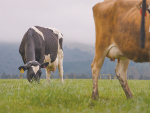
There are some animal health issues relating to turnips as a feed: most animal health issues occur in the first day or two of feeding, as animals adjust to the crop. Ideally cows should be fed alternative feeds (e.g. pasture or silage) before accessing the crop to minimise the risks.
Milking cows can lose condition when eating turnips if pasture is short. The extra protein in the turnips can lift milk production at the expense of cow condition; this can be corrected by feeding grass or maize silage at 2-3kg DM silage/day.
Bloating has been reported in cows grazing turnip crops. Drenching, or grazing cows on turnips after they have eaten some grass are ways to overcome this.
Rumen acidosis can occur if turnips are introduced too rapidly. Introduce them slowly over 5-7 days to allow rumen microbe populations to adjust.
In some years, on some farms, photosensitivity can be seen in stock due to the glucosinolates in turnips.
Remove affected animals from the crop and give shade, good quality feed and water.
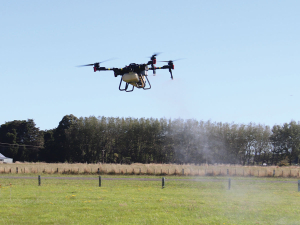
The main disease threats are club root and dry rot; while the main insect pests are springtails, leaf miner, diamondback moth, white butterfly, aphids, and when direct-drilling, slugs. Inspect young crops regularly by walking well into the paddock and, if necessary, apply the appropriate insecticide.
Profit growth
The profitability of growing a summer turnip crop depends on three things - remembering that the cost of growing turnips is fairly fixed (whether you grow a good or bad crop):
• Yield of the turnip crop (t DM/ha)
• Lost pasture production (while crop is grown)
• Additional benefits a turnip crop brings to subsequent new pasture like removal of pests.