The good, the bad and the ugly – 2015 in review
Another year has almost passed us by – again – and it is time for the annual review of 2015's good, bad and ugly in regards to the primary sector as seen by the Rural News editorial team...
 increase font size
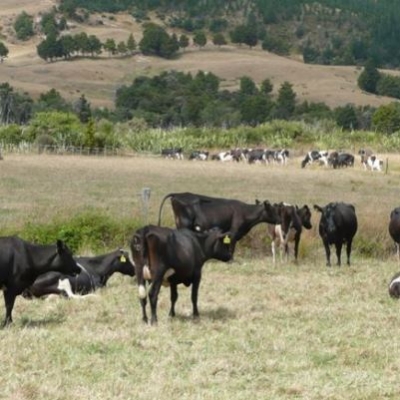
Summer has come and like clockwork so has the hot, dry, windy weather that is synonymous with droughts.
South and mid Canterbury are certainly struggling not only because of the lack of rain, but the availability of water from local irrigation schemes – notably the Opuha. Just about every night on television we see pictures of farmers struggling to feed their stock and using feed that might normally be kept for use in winter when it’s cold and the grass is also not growing.
While the pictures are very dramatic in some cases, and the plight of individuals is terrible, the overall picture this year is not as bad as it’s been in the past. That’s not to say it won’t be, but it’s important to see the summer season for what it is – dry and hot.
Soils are drying out fast around the country, but above the ground it’s a different story, with grass and feed supplies looking good in many parts.
The smart farmers have kept what grass they have for the best animals – be they cows or capital breeding stock and have got rid of the cull cows. The latter is not a bad idea considering the beef prices.
The feed situation isn’t looking too bad either, apart from Southland; in most regions farmers have already made and stored a lot of supplementary feed like hay, grass silage and baleage.
There’s no shortage of feed around on-farm or in storage, in most parts of the country. According to DairyNZ, in Taranaki there’s probably a surplus of supplementary feed. On the other hand Southland farmers have struggled to grow and harvest surplus feed due to an extended period of very wet conditions through late winter and spring.
But do farmers have the money to buy extra feed? The low payout has squeezed cashflow on farm.
One of key messages for farmers has been to set ‘key milestones’ at which point they agree to take certain actions – be it selling stock or whatever and sticking to this – not waiting for a better day which may never come. DairyNZ has been good at getting such messages out there to farmers and it would appear that most are now managing droughts much better than they used to.
Every year is different but it would seem the odds of a drought of some sort will occur somewhere. Perhaps this dry spell has in it a timely reminder that even well planned irrigation schemes are not fool-proof and caution needs to be exercised when assessing their value.
Even in New Zealand, water can be a finite resource and an endless supply cannot be taken for granted.
Another year has almost passed us by – again – and it is time for the annual review of 2015's good, bad and ugly in regards to the primary sector as seen by the Rural News editorial team...

The end of the year is fast approaching so some end of year thoughts on a few of the significant developments of the year to wrap things up!
It was a Saturday afternoon and it had been raining for two days; Taranaki farmer Graham Fergus decided to move his ewes on a hilly paddock.
Harry Matthews knows the area well, a key to his being hired to liaise with farmers.
When Lyn Neeson, who farms near Taumaranui, saw the Whanganui and Ohura rivers rise rapidly in June, she figured this spelled trouble for farmers downstream and she was right.



LIC shareholders have elected a new North Island representative to the co-operative's Board, along with five representatives to its Shareholder Reference Group (SRG), following the company's Annual Meeting held in Invercargill.
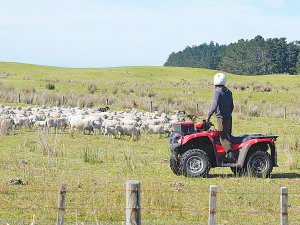
Farmers across parts of Southland and South Otago are continuing to deal with difficult conditions after a prolonged run of wet weather, with pressure building around feed supply, stock management, pasture damage, farm infrastructure and everyday workloads.
Federated Farmers says it welcomes Labour's commitment to reviewing the Sharemilking Agreements Act, calling on other major parties to do the same.
For Canterbury dairy farmers Sian Meijer and Rick Wobben, wearable technology has become one of their most valuable on-farm tools - helping manage 1850 cows across an expansive, high-performing dairy operation while improving efficiency, mating outcomes and day-to-day decision making.
Fonterra has unveiled its annual results for the 2026 financial year, posting $27 billion in revenue and close to $20 billion returned to New Zealand farmer owners and unit holders.
The first major update to the Dairy Cattle Code of Welfare in more than a decade has been released, marking what DairyNZ describes as an important step in ensuring animal welfare standards continue to evolve alongside scientific evidence and on-farm realities.