Lanaco and Blueair Launch World-First NZ Wool Air Filter
New Zealand wool is reaching new heights as air filtration companies move away from synthetic products to biodegradable alternatives.
 increase font size
You can just about understand the NZ Outdoors Party’s stance on 1080. It’s not a scientific stance, but at least it aligns with the views of a constituency.
But getting on board with the 5G conspiracy theories really weakens its credibility.
Put simply, 5G is just a new application of radio technology. Existing research on the possible health effects of radiofrequency (RF) fields applies as much to 5G as to any other radio system in use.
A lot of research on RF fields has been published, and health and scientific bodies around the world have reviewed such research thoroughly.
The Ministry of Health website has links to some recent reviews, if you’re interested in science over scaremongering.
Bottom line, it is safe. No need to burn down cell towers just because your dropkick cousin shared misinformation on Facebook. Fringe party policies don’t have to be flaky, but they often are.
New Zealand wool is reaching new heights as air filtration companies move away from synthetic products to biodegradable alternatives.
Generative AI in the workplace, trials in the field, and industry-relevant research took centre stage at this year’s Grape Days events in Central Otago, Hawke’s Bay and Marlborough.
Virtual fencing company Halter is going global but for founder Craig Piggott, New Zealand farmers will always remain their main partners.
Use of agricultural drones by contractors in New Zealand is soaring.
OPINION: New technologies can promise the world but how do we know if they are delivering?


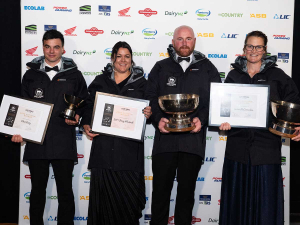
Entries opened on Monday, 5 October 2026 for the 2027 New Zealand Dairy Industry Awards (NZDIA), which organisers describe as the nation's biggest celebration of excellence in the dairy sector.
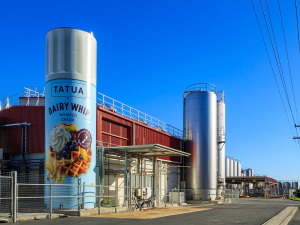
Waikato milk processor Tatua has again declared a record milk payout to farmer shareholders, leaving other processors in the dust.
A Labour-led Government won’t be bringing back the controversial freshwater rules of 2020.
National’s much-touted free trade deal with India featured in the Rural Issues Debate at Mystery Creek, Hamilton on Wednesday night.
New Zealand's 2026-27 freshwater fishing season has opened, with anglers encouraged to head to rivers and lakes over the coming days as conditions look favourable across much of the country.
Central Otago District Council (CODC) has voted against a plan to spread treated sewage sludge from Cromwell and Alexandra on farmland near Lauder, a decision Federated Farmers says reflects strong opposition from rural residents.