
Diplomatic Incident
OPINION: Your old mate hears an international incident is threatening to blow up the long-standing Anzac alliance as Kiwis and Aussies argue over who wants new Australian resident and former NZ Prime Minister Jacinda Ardern.
 increase font size
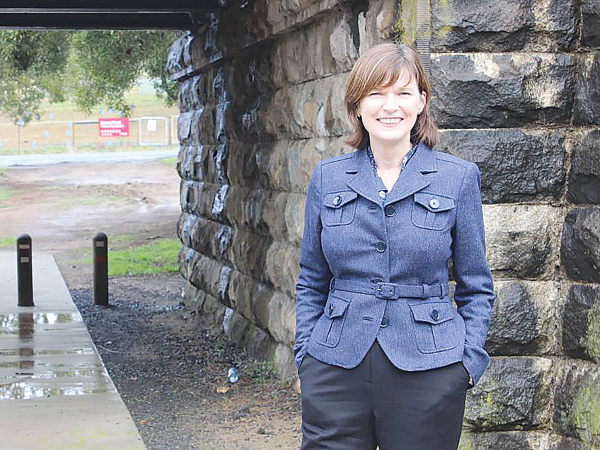 Victorian Agriculture Minister Mary-Anne Thomas.
Some Australian farmers can now invest in worker accommodation on their farms without the need for a planning permit.
This follows a new streamlined planning approval process adopted by the Victorian Government.
The state's Minister for Agriculture, Mary-Anne Thomas, last week announced an amendment to the Victoria Planning Provisions that exempts farm businesses from requiring a planning permit for on-farm accommodation for up to 10 people.
This will help farm businesses provide suitable on-farm accommodation for their vital seasonal workforces, removing one of the common barriers to the attraction and retention of workers for this industry.
"On-farm accountability will provide more options for farm workers and make it easier for growers to recruit the workers they need for the upcoming harvest," says Thomas.
"These planning changes are about supporting our agriculture sector to thrive."
Minister for Planning Richard Wynne says streamlining the ability for Victorian farmers to provide suitable accommodation for rural workers is common-sense planning that will help secure a critical rural workforce.
On-farm accommodation eliminates the need for seasonal workers to find a place to stay in nearby towns. It removes the often long-distance travel to and from farms, cuts travel expenses and reduces the impact on rural and regional roads.
The planning permit exemption is available exclusively for accommodation for workers engaged in agriculture and must be on at least 40 hectares of land on a property within the Farming Zone. It must meet requirements relating to connections to electricity, water and wastewater treatment.
The Victorian Government says the new planning process will deliver yet another boost for the industry ahead of the peak harvest season and aligns with the Government's comprehensive A$84 million package to support the Victorian agriculture industry as it continues to meet seasonal workforce challenges.
This support includes the A$6 million Seasonal Workforce Accommodation Program, which has backed 13 projects to boost accommodation options, pastoral care and transport services for 2,000 workers in key horticulture areas.
It also includes A$5.2 million in grants through the Agriculture Workforce Plan for new and upgraded accommodation to support 80 businesses.
Increased on-farm accommodation may also contribute to improving broader housing supply issues in regional areas by reducing seasonal demand on housing in rural towns.
OPINION: Your old mate hears an international incident is threatening to blow up the long-standing Anzac alliance as Kiwis and Aussies argue over who wants new Australian resident and former NZ Prime Minister Jacinda Ardern.

OPINION: Your old mate hears that at a recent China Business Summit, PM Christopher Luxon delivered a none-too-subtle "could try harder" report card on the red meat industry regarding its exports to China - particularly when compared to Australia.
More Australian states are embracing virtual fencing technology, opening growth opportunities for Kiwi companies like Halter.
Fonterra says its ongoing legal battle with Australian processor Bega Cheese won’t change its divestment plans.
Farmers in the Australian state of New South Wales will soon be able to use virtual fencing and herding technology to boost farm productivity.


A major move is about to get underway to improve the quality and viability of dairy beef and cattle in NZ.
Veterinarians say changes to the code of welfare for dairy cattle provides a positive foundation for improved cattle welfare across the country.
Today, 15 October, is the International Day of Rural Women, which recognises rural women’s contribution to farming, communities and the environment.
Global dairy giant Lactalis has integrated its Australian operations with the Mainland Dairy consumer business it acquired from Fonterra earlier this year.
After almost two decades of sharemilking, saving and building equity, Aaron and Marcia Flay this year realised their long-held dream of settling on their first dairy farm.
Good medium to long term prospects for NZ beef, especially in the US, has heighted the focus on various initiatives to capitalise on this situation.