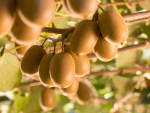
NZKGI Responds to Migrant Worker Exploitation Reports
Where any worker in the kiwifruit industry is mistreated, we expect the authorities to take action.
 increase font size
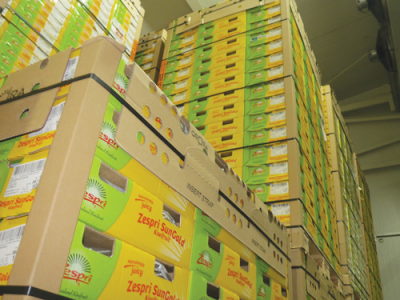 Growth in European consumption of ‘non staple’ fruits represents good news for New Zealand brand kiwifruit and apples.
European consumption growth of 'non-staple' fruits like kiwifruit and branded premium apples represent good news for New Zealand's horticulture sector, says Rabobank’s senior fruit vegetable and floriculture analyst Cindy van Rijswick.
"Indeed, out of all southern hemisphere exporting countries, NZ is the best positioned to take advantage of this," she says.
"NZ has a good reputation for high-quality fruit, efficient growers and strong exporters."
This trend to premium products has also helped particularly strong growth in the berry sector (fresh and frozen), van Rijswick says. Significant growth is foreseen over the next five years.
The health attributes of berries and their versatility as an ingredient in smoothies and dairy products is also behind the upswing in demand, she says.
"We are also forecasting a revival in the demand for stone fruit," she says, driven by investment in new varieties, which is expected to ramp up demand for plums and peaches from fairly stagnant levels over recent years.
"Another high growth category is avocados; this is a global phenomenon, just like berries."
In contrast, Ms van Rijswick says, 'staple' fruits and fresh vegetables are expected to show stable and, in some cases, declining growth in the coming five years, as fresh-cut and frozen fruit and vegetables gain market share from the whole fresh and preserved categories due to their 'value' proposition.
Where any worker in the kiwifruit industry is mistreated, we expect the authorities to take action.

Kiwifruit growers are watchful but remain optimistic as concerns around the potential effects of the El Niño weather pattern this season.
More signs of a booming kiwifruit sector.
After delivering a strong financial year, rural trader PGG Wrightson says the coming months will depend on customer confidence and weather.
The apple sector is working with the Government to unlock access to two key markets that could bring millions in revenue for apple growers.



LIC shareholders have elected a new North Island representative to the co-operative's Board, along with five representatives to its Shareholder Reference Group (SRG), following the company's Annual Meeting held in Invercargill.
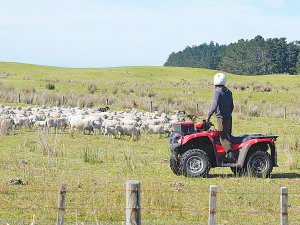
Farmers across parts of Southland and South Otago are continuing to deal with difficult conditions after a prolonged run of wet weather, with pressure building around feed supply, stock management, pasture damage, farm infrastructure and everyday workloads.
Federated Farmers says it welcomes Labour's commitment to reviewing the Sharemilking Agreements Act, calling on other major parties to do the same.
For Canterbury dairy farmers Sian Meijer and Rick Wobben, wearable technology has become one of their most valuable on-farm tools - helping manage 1850 cows across an expansive, high-performing dairy operation while improving efficiency, mating outcomes and day-to-day decision making.
Fonterra has unveiled its annual results for the 2026 financial year, posting $27 billion in revenue and close to $20 billion returned to New Zealand farmer owners and unit holders.
The first major update to the Dairy Cattle Code of Welfare in more than a decade has been released, marking what DairyNZ describes as an important step in ensuring animal welfare standards continue to evolve alongside scientific evidence and on-farm realities.