
NZ Milk Price Could Hit $10/kgMS as Global Supply Eases
A 'tsunami' of milk from key exporting countries is winding down and this may be good news for New Zealand dairy farmers.
 increase font size
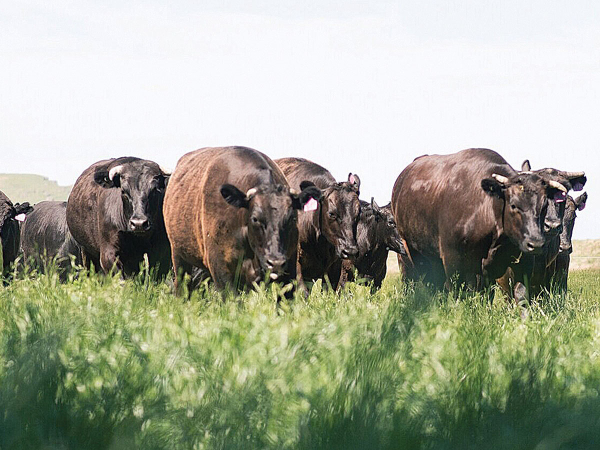 Year-to-date beef exports are up.
Dairy
Sluggish demand remains a key driver for dairy commodity prices. Low prices in late 2023 and early 2024 provided a great opportunity to replenish stocks, and so with full inventory pipelines, buyers are cautious.
Attention is now on seasonal peak milk production in the Northern Hemisphere, and sentiment is shifting in most regions, with purchasing slower at current price levels.
Rabobank has revised its earlier view on China's net imports. It now anticipates a decline of 8% in net import demand in 2024 compared to 2023. The combination of stronger milk production and weaker consumer demand are the main drivers.
Global milk supply remains under pressure. While milk supply growth remains a challenge in most regions, China's production has been revised upwards for 2024, from 2% to 3.2%.
Beef
It's a similar tale this month for the beef story, with farmgate prices continuing to track steady. Cull cows being sent for slaughter were still slower than usual in March, according to the New Zealand Meat Board slaughter data, tracking around 3% behind last March nationally.
Year-to-date, total exports of beef meat from January to March 2024 are up by 5% year-on-year at just over 133,000 tonnes, and up by 3% in value.
In volume terms, shipments to China are down 8% at 51,650 tonnes. The upswing trend to other destinations has continued with exports to the US now up 14% YTD, Japan up 41%, and Canada up 60% compared to the same period last year.
Sheep
Slaughter numbers for the kill season nationally are now tracking 6.2% ahead of 2023, to 6 April 2024.
With the good early summer growing conditions around New Zealand and the option to put weight on lambs, the run-of-numbers finished later, as was forecast.
Pockets of late autumn dry then led to higher numbers sent off before the inevitable winter slowdown in pasture and animal growth.
Total exports of New Zealand sheepmeat in March 2024 were similar to March 2023 numbers at just over 48,000 tonnes, with lamb making up just over 38,000 tonnes of these exports - the highest March lamb production since 2021.
China took just under half of total volumes (compared to 60% last year), amounting to almost 30% of the year's value (compared to 41% last year).
Better-performing markets included the US, up 5% by value, and the UK, up 3%. Shipments to "other" countries were up 6% in terms of value FOB. Canada and Saudi Arabia among the bigger "other" players.
Farm Inputs
On the fertiliser front, many markets are in mid-season. No big price movements have been reported, nor have elements that could change the short-term price doldrum outlook.
One country that could cause some price movement in India, though the urea stocks are reported to be comfortably at the 10m tonne mark.
 |
|---|
|
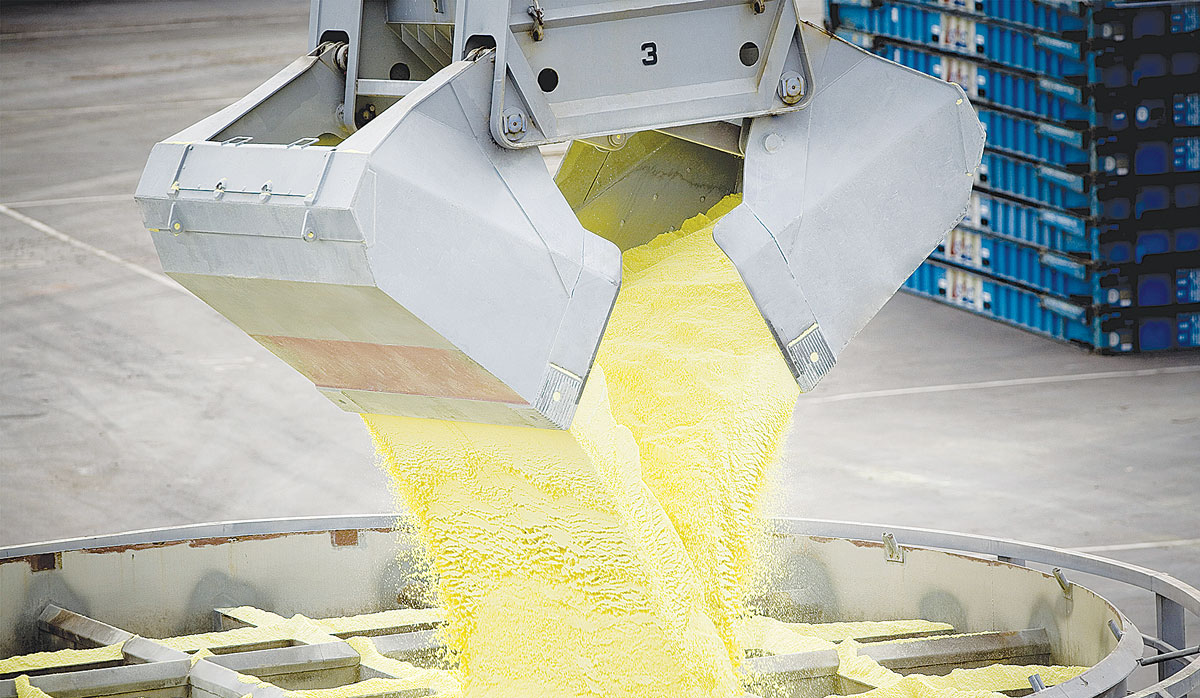
No big price movements have been reported in the fertiliser trade. |
The higher output of phosphate fertilisers did impact the market. Morocco DAP prices dropped 4% during April and is now at USD $838/tonne, and Indian importers are experiencing negative margins.
Interest Rates
Rabobank says that the economic downturn that New Zealand is currently experiencing will prove sufficient to bend home-grown inflation back down to sustainable levels.
Consequently, the bank still believes that the RBNZ will be cutting rates this year. Its current forecast is for the first cut to arrive in August, with a follow-up cut in November. "We're holding to this timing for now, but the strong tradeable inflation number does introduce a risk that August might be too optimistic and the RBNZ will be forced to hold fire for longer."
A 'tsunami' of milk from key exporting countries is winding down and this may be good news for New Zealand dairy farmers.

Chinese beef trade quotas and a looming suspension of Brazilian beef imports into the European Union are expected to reshape global beef trade flows over the remainder of 2026, with implications for New Zealand exporters, according to Rabobank's Q3 Global Beef Quarterly report.
New Zealand consumers are paying more for beef mince than ever before, with the average retail price now sitting above $24 per kilogram, according to Rabobank.
West Otago dairy farmer Luke Kane has been awarded the 2026 Rabobank Dr John Morris Business Development Prize.
Twenty five secondary school students from around New Zealand recently completed a three day residential programme designed to explore career opportunities across the food and fibre production supply chain.

A spate of southerly winds bringing cold temperatures has presented challenges for Taranaki dairy farmers.
Converting a longstanding cropping farm to dairy was the only way to ensure the land stayed in the family long term, says new dairy farmer Rod May.
As the election heats up, Organics Aotearoa New Zealand (OANZ) has launched its election scorecard designed to help voters wanting to support policies that grow organic and New Zealand's organic sector.
A 'tsunami' of milk from key exporting countries is winding down and this may be good news for New Zealand dairy farmers.
Will the good times last? That's one of the key issues to come out of the latest Federated Farmers confidence survey.
Outgoing Fonterra Co-operative Council chair John Stevenson says that it has been a privilege to represent the co-op's farmer shareholders.




