The Mycoplasma bovis eradication programme has reached a big milestone with the depopulation of all confirmed infected properties in the stubborn pocket of infection in mid-Canterbury.
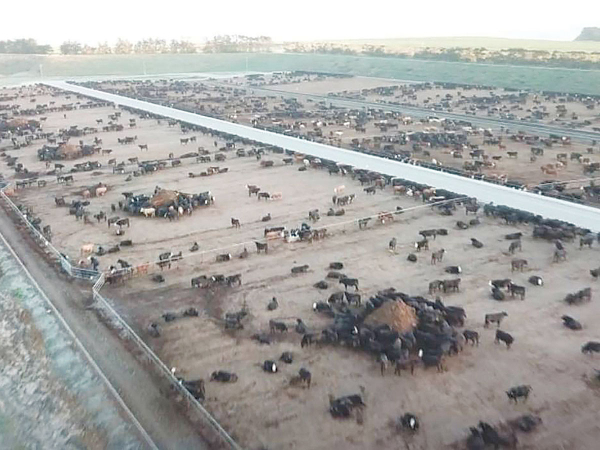
The Wakanui area, containing ANZCO Food's big Five Star Beef feedlot, had been under a Controlled Area Notice since October but all eight cattle properties in the area have since been cleared of stock and disinfected.
The Ministry for Primary Industries (MPI) says stringent testing and monitoring for infection in cattle during the past six months in the 'at-risk' area has not identified the presence of M. bovis. The Controlled Area put in place in October, which prohibited cattle movement in or out, has now been lifted.
Mycoplasma bovis programme director Simon Andrew says Wakanui farmers can again farm free of M. bovis.
"These farmers have had to farm with M. bovis in their region since December 2017 when the first M. bovis farm in Ashburton was discovered."
The feedlot was an early infected property but had been left for depopulation because of its unique place in New Zealand agriculture. Taking beef animals from all over the country and sending them only for slaughter, it was considered a high risk for reinfection while M. bovis remained elsewhere, but a low risk for infecting others.
By May last year it was the only Confirmed Infected property left in the country, until infections began reappearing in the Wakanui area. That raised speculation of airborne transmission and led to the declaration of the Controlled Area, although a review by epidemiologist Dr John Happold was unable to identify the infection route.
In a statement to Rural News, ANZCO Foods says it has worked very closely with MPI, followed all MPI's advice, and complied with all MPI's biosecurity requirements as part of depopulating the feedlot in December 2022, and the cleaning and disinfecting process, which concluded in March.
ANZCO says repopulation began in the week beginning March 20, "in conjunction with advice from MPI and on the basis of their assurance and confidence that the eradication programme is on track".
Andrew says M. bovis had not beef found outside of Canterbury in more than two years.
"We will continue to monitor the area closely and are taking a cautious approach, so we can act quickly should there be reinfection in the wider national herd."
The programme's national background surveillance screening will continue for a further four years, to quickly detect any last remaining infected farms and gather the necessary evidence to declare freedom from M. bovis in New Zealand.
"Keeping NAIT records up to date is crucial to our ability to monitor risk and track down potentially infected animals before M. bovis spreads to other farms," Andrew says.
Back in the Fold
Josh Dondertman, the local Rural Support Trust chair, says the challenge for mid-Canterbury farmers now is to welcome the affected farmers back into the community.
There was a tendency for people to be "a bit stand-offish" towards those who were caught up in it, in the suspicion that they may represent a disease risk.
"It's quite hard to change peoples' perception."
He says that only added to the frustration and stress on those affected.
Dondertman notes the full eradication programme is only at the half-way mark of what was always expected to be a ten-year process.
"Fingers crossed we don't actually have any infected cows at the moment."
He had spoken to a couple of farmers recently who've been a bit surprised that they've been tested again but farmers need to understand why the testing will continue.
"We've spent a lot of money and a lot of people's time and heartache to get rid of the disease. We don't want it to potentially flare up," he added.