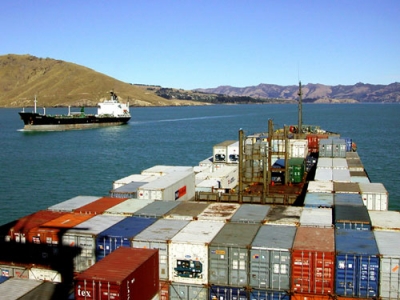
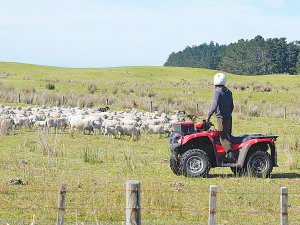
Making Hawke's Bay the leading exporter of premium primary produce is a key objective of Matariki – Hawke's Bay Regional Economic Development Strategy and Action Plan 2016.
It is a comprehensive plan to diversify and grow the Hawke's Bay economy, increasing jobs, income and investment in the region.
The plan aims to make Hawke's Bay the most innovative region in New Zealand, the leading exporter of premium primary produce and a hub for business growth. It focuses on improving pathways to employment, supporting business, lifting innovation and productivity, attracting investment and skilled migrants, developing infrastructure and increasing visitor spending.
As part of the Regional Growth Programme, the plan represents a coordinated approach to lifting the region's economic performance.
Local and central government, businesses and iwi worked together to develop the plan. Implementation of individual actions will be led by various groups and government agencies.
Iwi have been extensively involved in developing the strategy and action plan and have come together to form Te Kahui Ōhanga o Takitimu, which will play a key role in achieving collective economic goals for Māori.