
Mark Hooper Joins NZPork Board as Independent Director
Rural leader Mark Hooper has been appointed as an independent director to the NZPork board, bringing extensive farming, governance and advocacy experience to the role.
 increase font size
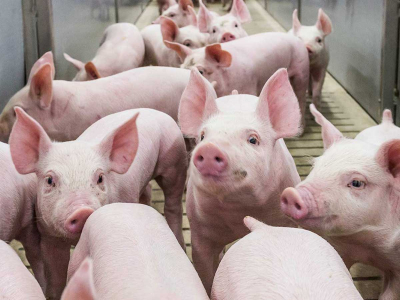 African swine fever has wiped out over half of China’s swine herd.
The worsening outbreak of African swine fever throughout Asia and Europe has created a rare opportunity for New Zealand meat producers.
African swine fever (ASF) has led to dwindling swine herds overseas, reducing import competition for local firms.
While imported pork accounted for 60% of NZ consumption in 2018-19, this trend is expected to fall significantly in 2019-20.
IBISWorld analysis has shown that the disease, which first appeared in August 2018, has wiped out over half of China’s swine herd, which previously accounted for close to half of global supply.
“Supply shortages have increased beef export and domestic prices, boosting returns for exporters and wholesalers as well as benefiting New Zealand farmers,” said Senior Industry Analyst, Matthew Reeves.
Unlike pork, beef is heavily export oriented and the rising demand from China in the second half of 2018-19 saw beef exports to the country increase approximately 64% in value during the year, to total $944 million. In a similar vein, and emphasising the rising demand for alternative protein sources, lamb exports to China increased over 47% in value during 2018-19, to total $2.6 billion.
“For farmers and processors that are export oriented, this trend could allow enable them to expand their market share, and it may even create new opportunities for domestically focused enterprises to expand their supply chains overseas,” said Mr Reeves.
ASF is a highly contagious viral disease that affects both wild and domestic pigs. IBISWorld estimates that pork production in China fell by a quarter over the 11 months to June 2019, and by over 50% by the end of December 2019.
The spread of ASF is expected to continue in 2020, with at least 11 countries in Asia reporting outbreaks including Mongolia, Vietnam, South Korea and Indonesia. Many countries in Eastern Europe, as well as Belgium have also reported outbreaks.
China is the largest market for pork meat, consuming half the global total. As pork supplies have dwindled, China’s demand for imports of substitute meats, such as beef and lamb, has grown significantly.
Rural leader Mark Hooper has been appointed as an independent director to the NZPork board, bringing extensive farming, governance and advocacy experience to the role.

As the cost-of-living crisis continues to put pressure on household grocery budgets, new figures show pork remains one of the most affordable fresh meat options for New Zealand families.
Pork farmers says a significant influx of imported pork is causing them concern.
Farmer-led charity Meat the Need has expanded its offerings, following a new partnership.
New Zealand’s pork sector is calling for a ban on pork imported from countries with African Swine Fever (ASF) until New Zealand has assurance that robust biosecurity protocols are in place in those nations impacted by the disease.


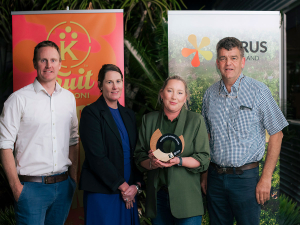
New Zealand's citrus growers were challenged to build their future on the value embedded in their fruit rather than the volume they produce, at Citrus New Zealand's annual gathering in Gisborne on 17 September.

Leading John Deere technicians and apprentices from New Zealand and Australians were recognised at the recent sixth annual JD Technician of the Year Awards, held in Brisbane.
In Dacre, near Invercargill in New Zealand’s South Island, Bruce Dinnington is running a dairy operation unlike any other.
A free online platform aggregating governance vacancies across rural and regional New Zealand has been launched.
Environment Minister Nicola Grigg has announced details of a new rural plastics recycling scheme.
Agricultural drone operators say that a government decision to allow lower-risk drone work without certification won’t lower standards but drive innovation and efficiency.