
NZPork Names Mark Hooper Chair, Paul Bucknell Retires
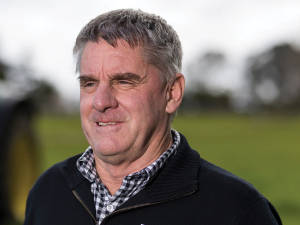
Mark Hooper has been appointed the new chair of NZPork, the industry organisation representing New Zealand pig farmers.




 increase font size
 NZPork chief executive Brent Kleiss.
New Zealand’s pork sector is calling for a ban on pork imported from countries with African Swine Fever (ASF) until New Zealand has assurance that robust biosecurity protocols are in place in those nations impacted by the disease.
The Swedish Veterinary Institute (SVA) announced the detection of ASF in seven dead wild boars, the first ever in Sweden, on September 7 and additional positive cases have since been identified. It's not clear how the ASF virus spread to Sweden.
As the disease marches through Europe, NZPork is urging the Ministry for Primary Industries (MPI) to halt pork products imported from trading partners affected by ASF and carry out an urgent assessment of those countries’ biosecurity systems.
Numerous pork-producing countries, including Australia, have already halted Swedish pork imports in the wake of the outbreak.
While ASF does not impact humans, it is highly contagious and fatal for pigs. The animals can become infected in a number of ways, including through eating untreated scraps of imported pork.
NZPork chief executive Brent Kleiss says it is very concerning that New Zealand continues to accept pork from ASF-infected countries when a number of others have halted imports due to the outbreak.
“Armenia, Japan, the Philippines, Singapore, Taiwan and Ukraine, as well as Australia, have all now banned pork imports from Sweden,” Kleiss says.
“Without swift action, we can expect to see even more Swedish pork entering the New Zealand market,” he adds.
“In previous outbreaks, in Belgium and Poland, we saw a sharp rise in pork imports from those countries as other markets closed but our own border remained open to these products.”
Kleiss says MPI has previously cited the strong risk assessment conducted on imports and the low risk posed by the goods and their origins as a reason for not reviewing biosecurity measures for imported pork.
“However, the risk has clearly changed. The landscape is vastly different since this risk calculation was last done. Pork is now arriving in greater volumes from different countries, many of which were not afflicted with diseases like ASF or Porcine Reproductive and Respiratory Syndrome (PRRS) when the initial assessments were conducted,” he explains.
“We need to bring a halt to pork being imported by ASF countries and for the Government to check those countries with ASF have acceptable protocols in place.”
Mark Hooper has been appointed the new chair of NZPork, the industry organisation representing New Zealand pig farmers.

Rural leader Mark Hooper has been appointed as an independent director to the NZPork board, bringing extensive farming, governance and advocacy experience to the role.
As the cost-of-living crisis continues to put pressure on household grocery budgets, new figures show pork remains one of the most affordable fresh meat options for New Zealand families.
New data shows that pork remains one of the more affordable meat options for New Zealand households at a time when grocery costs continue to put pressure on budgets.
NZPork says the Government needs to strengthen its proposed planning laws to ensure New Zealand's pig farmers can continue to produce pork.


Federated Farmers has welcomed new rural policies released by ACT, saying they align closely with its own election priorities.
Rural Contractors NZ says proposed changes to land transport rules for agricultural vehicles are a welcome response by the Government to out of date regulations which have seen members hit with huge fines.
Alliance is calling for final applications for its 2027 Graduate Programme, with applications closing on Sunday 25 October.
Decades piloting planes has ensured vet and farmer David Hayes is focused on safety. So, after a serious accident while welding on farm, he is sharing his experience so others can learn from it.
Canterbury milk processor, Synlait Milk has confirmed Leon Fung as its chief executive officer.
OPINION: Making it easier to collect rainwater and use it to grow crops and livestock is a no brainer.


OPINION: The same mainstream media muppets that brought you Jacindamania in 2017 have been flat out pimping for the Opportunities…
OPINION: Your old mate reckons the atrocious way farmers in the UK are treated by their lords and masters in…




