RSE Scheme Changes Coming - McClay
Agriculture Minister Todd McClay has admitted that a scheme bringing workers from Pacific nations to work on orchards has become too hard to navigate but says changes are coming.
 increase font size
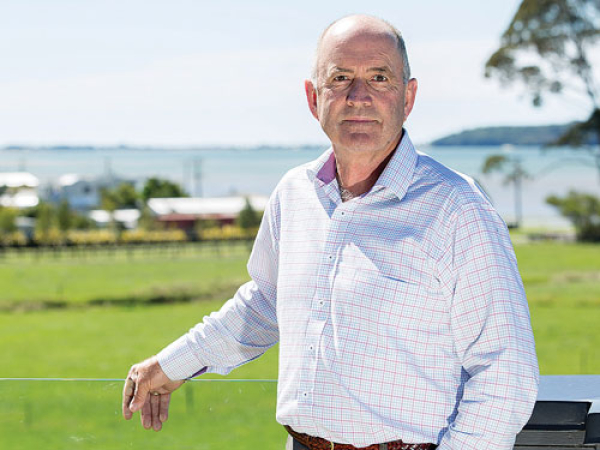 HortNZ chair Barry O’Neil says his organisation is doing everything it can do to help and support affected growers.
Horticulture NZ chair Barry O'Neil says while they welcome the money and support the Government is offering to growers affected by Cyclone Gabrielle and other adverse events, they are delving into the details of the offers.
He says they want to fully understand what's in it for growers and get feedback from them as to whether or not it will meet their specific needs.
O'Neil says they need to get a clear picture of what the banks are offering and how this will benefit growers and also to identify any gaps or points that need clarification.
He told Rural News they may go back to the Government to find a solution, but he is well aware of the Government's position that it will not be offering any more grants.
There are two elements to the Government proposal. The first is aimed at encouraging banks to more actively help farmers and growers to get their businesses back on track, with the Government offering to take 80% of the risk of a loan to a grower away from the banks.
The hope here is that banks will reduce interest rates and offer more flexible terms.
The second part of the package is where the Government will lend up to $4 million to a grower or farmer, if they cannot get a loan from a bank. However, to qualify for this, the individual must prove that they can get their business back on track and that they can then get a bank loan. In essence, both schemes are contingent upon the fact that a grower can get their business back on track eventually.
"Certainly, if you haven't got an orchard or no soil left and it's stripped down to rock, then this is not going to help because there won't be any revenue generated from that area going forward," O'Neil says.
He adds that the Government has already given $250,000 to each eligible orchard and a number of support mechanisms have been provided. He adds that, while the recovery process is continuing, the ongoing wet and unsettled weather has made this very challenging for some - especially, but not exclusively, those in the Hawke's Bay region.
 |
|---|
|
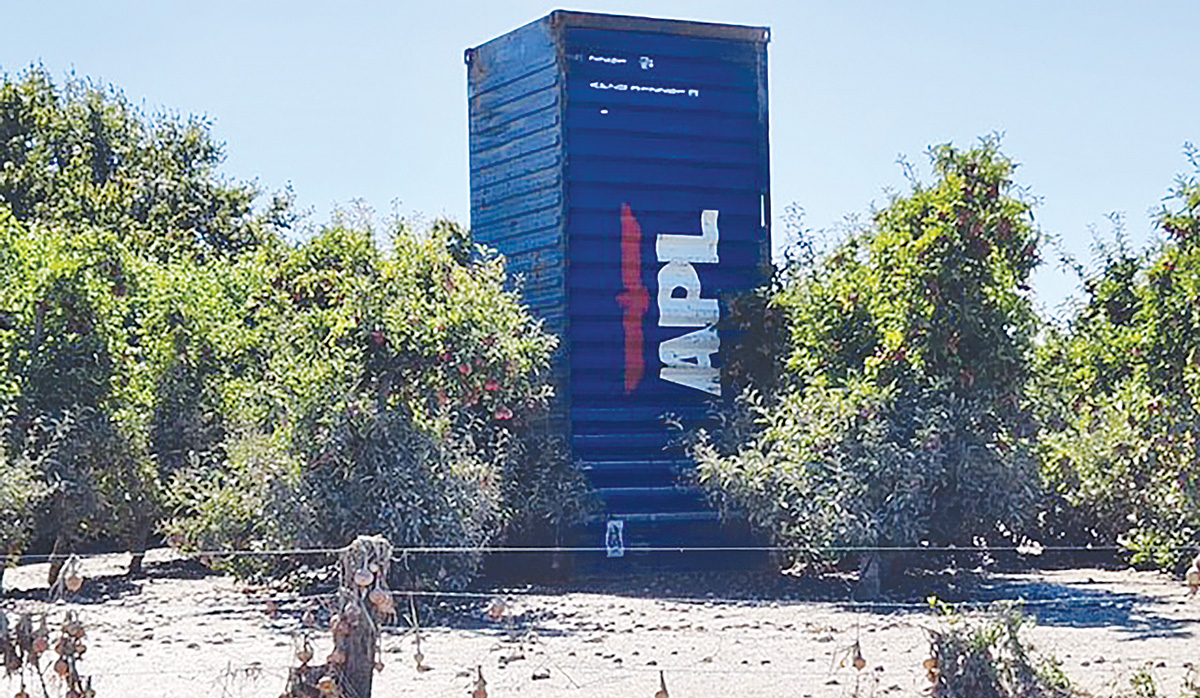
O'Neil says the Government has already been given to $250,000 to each eligible orchard and a number of support mechanisms have been provided. |
"I have visited some orchardists who don't have an orchard anymore, they just have a river," O'Neil told Rural News.
"So, some growers will struggle and understandably it's very unsettling and emotional for everyone involved - seeing your life's work being washed away overnight."
O'Neil says HortNZ is doing everything it can do to help and support affected growers through this.
He says the wellbeing of growers is the number one priority and a lot of effort is going into supporting growers from a number of organisations - such as the Hawke's Bay Fruitgrowers Association, the Horticulture Charitable Trust and the Rural Support Network.
"A lot of activities are underway and more will be needed and will continue to be needed to support the wellbeing of growers and farmers throughout the recovery."
Agriculture Minister Todd McClay has admitted that a scheme bringing workers from Pacific nations to work on orchards has become too hard to navigate but says changes are coming.

The chief executive of Apples and Pears New Zealand, Danielle Adsett, says fruit quality this year is phenomenal and the sector is hitting crop estimates, which is great for growers.
Horticulture New Zealand (HortNZ) is inviting applications for scholarships places on its 2026 Leadership Programme.
The horticulture sector is under threat because of vulnerabilities of the country's transport infrastructure, according to a report commissioned by a collective representing a range of groups in the sector.
Horticulture New Zealand (HortNZ) has added its perspective to numerous primary sector voices urging the Government to strengthen its draft legislation to replace the Resource Management Act (RMA).



LIC shareholders have elected a new North Island representative to the co-operative's Board, along with five representatives to its Shareholder Reference Group (SRG), following the company's Annual Meeting held in Invercargill.
Farmers across parts of Southland and South Otago are continuing to deal with difficult conditions after a prolonged run of wet weather, with pressure building around feed supply, stock management, pasture damage, farm infrastructure and everyday workloads.
Federated Farmers says it welcomes Labour's commitment to reviewing the Sharemilking Agreements Act, calling on other major parties to do the same.
For Canterbury dairy farmers Sian Meijer and Rick Wobben, wearable technology has become one of their most valuable on-farm tools - helping manage 1850 cows across an expansive, high-performing dairy operation while improving efficiency, mating outcomes and day-to-day decision making.
Fonterra has unveiled its annual results for the 2026 financial year, posting $27 billion in revenue and close to $20 billion returned to New Zealand farmer owners and unit holders.
The first major update to the Dairy Cattle Code of Welfare in more than a decade has been released, marking what DairyNZ describes as an important step in ensuring animal welfare standards continue to evolve alongside scientific evidence and on-farm realities.