The horticulture sector is facing a blockade of modern day Sir Humphrey Applebys as it attempts to get some sanity into achieving quality environmental outcomes.
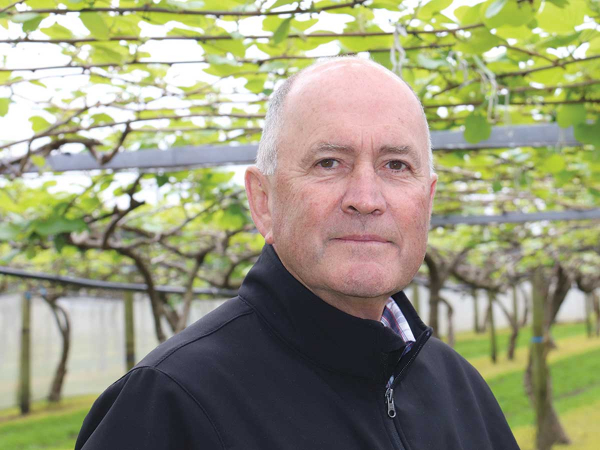
Horticulture NZ chair Barry O'Neil - a former high-ranking government bureaucrat - told Rural News that the sector is facing layer-upon-layer of officials and bureaucrats and they don't seem to be talking the same language as the industry.
He says the hort sector already has good systems in place to give assurance over environmental outcomes with NZGAP. This stands for good agricultural practicesand was established in 1998 to provide assurance about the safe and sustainable production of fruit and vegetables in New Zealand.
NZGAP certification provides growers with a credible assurance framework, which enables them to meet multiple supermarket and regulatory obligations.
However, O'Neil says instead of recognising this reputable system, officials are forcing a new issuing process into the system with additional compliance costs and fees. He says the bureaucracy seems to have got progressively worse over the years, since he worked in government.
O'Neil claims that during his time in officialdom he was aware that there was too much bureaucracy and had hopes of trying to help reduce it.
"But it's a big machine and is hard to unwind," he told Rural News. "I feel that since I left (working for government) they have just layered and layered and layered it with additional compliance costs."
O'Neil believes that "risk adversity" has got to a level where no one is prepared to make decisions because they are scared they will get their "head chopped off".
"We seem to be making decisions on outcomes by process rather true leadership," he adds. "We are using a process to achieve a result when we don't even know whether that will be the best for the country and people of NZ."
O'Neil says the raft of compliance issues growers have to deal with is increasing and makes it challenging and difficult for the sector.
"It's reached the stage where our growers seem to spend as much time meeting compliance requirements, filling out forms and getting permission as they do actually growing," he says. "We seem to have got the ratio a bit wrong."
Preserving The Veggie Sector
Barry O'Neil believes another concern for commercial growers is the need to protect highly-productive land from being gobbled up for urban development.
He says it's pleasing that the Government appears to have picked up on the risk of not preserving this highly-productive land. O'Neil says such land is becoming harder to find.
He says the sector is advocating for NZ to have a domestic food security policy and for the Government to implement policies that support ongoing vegetable production in NZ.
"It would be a travesty if our fresh vegetables were imported from offshore and our consumers had to rely more on frozen rather than fresh," O'Neil told Rural News. "We have got to be very careful with out policy settings otherwise we could drive domestic vegetable production out of business."
O'Neil says it was a particularly difficult year for the country's commercial growers who were not only hit by labour shortages but also got hit by atrocious weather events. There was a drought in Pukekohe and floods in the Horowhenua and Gisborne areas that saw crops destroyed.
About 80% of the vegetables grown in NZ are sold on the domestic market with the remaining 20% consisting of buttercup squash exported. Due to weather conditions there were supply shortages of some lines and higher prices for others.