India FTA Removes 33% Tariff on NZ Sheepmeat
New Zealand’s red meat sector has welcomed the India-New Zealand Free Trade Agreement taking effect, which removes India’s 33% tariff on New Zealand sheepmeat.
 increase font size
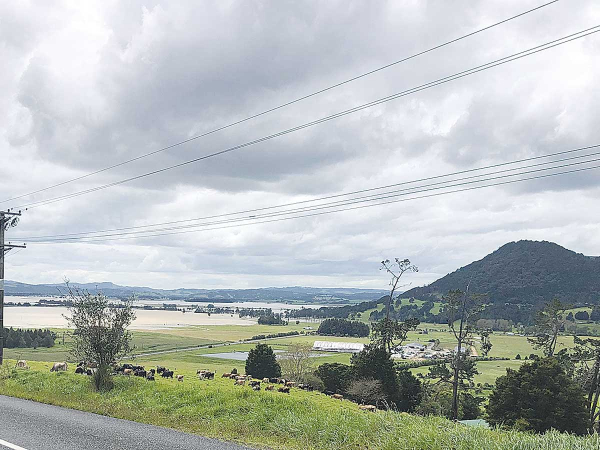 The red meat processing sector says it is stepping up its support for its farmers affected by Cyclone Gabrielle.
The red meat processing sector is working hard to support cyclone-affected farmer by ensuring plants return to operation as soon as possible and providing assistance to rural communities.
The AFFCO plant in Wairoa and Silver Fern Farms’ Dargaville plant have resumed processing while Ovation’s plant in Gisborne and Silver Fern Farms Pacific in Waipatu, Hawke’s Bay, are expected to restart in the coming weeks.
Meat Industry Association (MIA) chief executive Sirma Karapeeva says the sector is focused on meeting the needs of farmers while ensuring the welfare of employees and the animals in its care.
Numerous meat processing companies have also stepped up to provide significant cash and product donations to organisations on the ground and in vulnerable communities.
“In the aftermath of the cyclone, companies worked hard to get in contact with their people and their farmers in the affected areas, to check on their welfare and best understand how they had been affected by the disaster,” Karapeeva says.
She says that a fuller picture of Cyclone Gabrielle’s impact will emerge in time, but for now, meat processing companies are providing support where possible.
“A key focus for the sector has been moving livestock from sites impacted by the cyclone to ensure we maintain the high level of animal welfare that consumers and community expect from us.”
Karapeeva says processors are aware of the critical importance to farmers of continuing to meet their processing needs in these challenging times.
“A lot of farms have sustained damage and lost valuable grazing, fencing and water systems due to landslips. Access to many farms has been disrupted by the considerable damage to the road network and infrastructure.
“Processing companies are talking with farmers to discuss their individual circumstances and what support they need,” Karapeeva says.
“In many cases, meat processing plants are the largest regional employers in the towns they are located,” she says. “Our sector is an economic powerhouse for New Zealand, and we are committed to keeping on delivering for the economy and the country.”
Several meat processing companies have also announced support packages for regional communities.
The Greenlea Foundation Trust has made a $1 million donation to the East Coast Rural Support Trust to help clean up and recovery operations, and the Greenlea Rescue Helicopter has been transporting people in need of urgent medical care in the cyclone-affected region to nearby hospitals and care facilities. In addition, a further $1 million has been earmarked for ongoing support in affected communities.
Alliance Group has donated $200,000 to the East Coast Rural Support Trust and launched a shareholder-supplier stock donation programme for farmers to donate lamb, sheep, cattle or deer, with the proceeds being donated to the Trust.
Meanwhile, AFFCO has donated $100,000 to the Wairoa Mayoral Relief Fund and distributed lamb to the community as well as providing water from a bore on site. The New Zealand Army also used the plant site to fly in emergency provisions, stored in the AFFCO dry stores and chillers, for distribution by the army and the council.
Silver Fern Farms has provided over 10 tonnes of product to those in need, including maraes, mosques, churches, fire stations, shelters for displaced persons, and isolated communities. The company is also co-ordinating helicopter drops to the most isolated areas of Rissington, Patoka and Tutira, helping get much-needed equipment and services to isolated communities. Unaffected Silver Fern Farms farmers are also donating animals to Meat the Need and cash contributions to the Rural Support Trust when they have animals processed.
Sam McIvor, chief executive of Beef + Lamb New Zealand, says the fact that meat processors are working together will be reassuring to farmers but the most critical issue for isolated farmers is roading infrastructure.
“It’s absolutely imperative that bridges and roads are rapidly reinstated. East Coast farmers have said there is a 4-6 week window by which they need to get stock off before it places significant pressure on their feed covers as they set up for winter,” McIvor says. “They’re most concerned about animal welfare but cashflow is also an issue given some of the big repair bills they’re facing.”
“We’ll continue our ongoing co-ordination with processors and advocating on behalf of farmers to ensure that restoring trucking access to isolated farms is prioritised,” he says.
New Zealand’s red meat sector has welcomed the India-New Zealand Free Trade Agreement taking effect, which removes India’s 33% tariff on New Zealand sheepmeat.
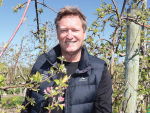
Three and a half years on from when Cyclone Gabrielle hit Hawke's Bay, some orchardists in the region are still receiving counselling to help them deal with the trauma they suffered.
The red meat sector is in great heart.
New Zealand's red meat and fifth-quarter exports reached $867 million in August, up 23% on the same month last year, as stronger returns lifted earnings across all major markets.
Meat Industry Association data, released alongside the Red Meat Sector conference in Wellington, shows export value climbing across the US, China, UK and Canada.



Federated Farmers has welcomed new rural policies released by ACT, saying they align closely with its own election priorities.

Rural Contractors NZ says proposed changes to land transport rules for agricultural vehicles are a welcome response by the Government to out of date regulations which have seen members hit with huge fines.
Alliance is calling for final applications for its 2027 Graduate Programme, with applications closing on Sunday 25 October.
Decades piloting planes has ensured vet and farmer David Hayes is focused on safety. So, after a serious accident while welding on farm, he is sharing his experience so others can learn from it.
Canterbury milk processor, Synlait Milk has confirmed Leon Fung as its chief executive officer.
OPINION: Making it easier to collect rainwater and use it to grow crops and livestock is a no brainer.