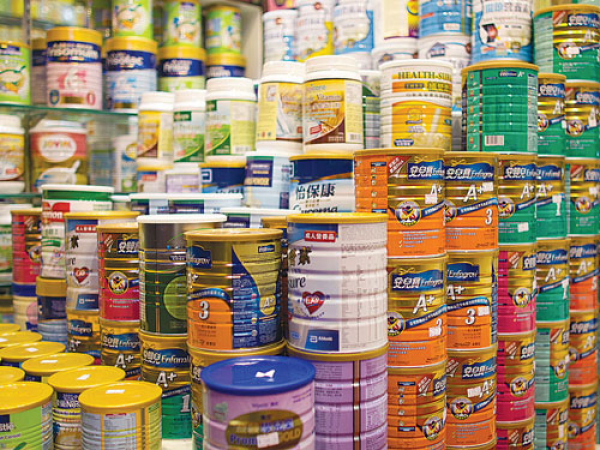
MPI says it takes the claims made by Jane Li seriously and where it has evidence that exporters are not meeting their requirements, it will take action.
Li says New Zealand's dairy industry risks being exposed to a ‘ticking time bomb’ of unethical players unlawfully passing off New Zealand-made and packed milk powder products in China as supplements for babies. Read more here.
“We take complaints against New Zealand businesses very seriously,” a MPI spokesperson told Rural News.
He says that the safety and wellbeing of the public is central to the rules and requirements New Zealand has in place to ensure food and beverages are safe and suitable.
MPI says there are strict requirements in place throughout the food supply chain to which all manufacturing and exporting businesses must adhere to.
“Dairy exporters are responsible for ensuring their products comply with New Zealand’s requirements, as well as any extra importing country requirements that have been agreed between MPI and the relevant government authority of that country.
“These are notified by way of Overseas Market Access Requirements (OMAR). All trade between countries is governed by such arrangements.”
MPI oversees compliance, through formal processes, including audits to confirm companies are meeting requirements, which are carried out by MPI-approved third party verifiers.
In addition, dairy companies and MPI also conduct regular and thorough testing to provide further confidence that products, including infant formulas, are safe and meet the necessary specifications.
MPI says New Zealand businesses must ensure their products leaving our shores are true-to-label, not misleading and safe.
“Once the dairy products arrive overseas, further processing and labelling may occur, and will be subject to the laws and regulations of that country.” – Sudesh Kissun