MPI Opens New Canberra Position to Support Exporters
In line with New Zealand’s strategy to open up new markets, the Ministry for Primary Industries (MPI) his extending its diplomatic footprint.
 increase font size

New Zealand's border inspection system is getting a new fleet of x-ray machines.
Eleven x-ray machines will replace existing machines at Auckland, Christchurch, Wellington and Queenstown airports used to inspect both the checked-in and hand luggage of people arriving in New Zealand.
Auckland and Christchurch will also receive new technology to reduce the amount of handling required to load and unload luggage onto and off the x-ray machines.
Primary Industries Minister Nathan Guy announced this at Horticulture NZ's annual conference today.
"The new x-ray images will be of a better quality than we currently have, which will make Quarantine Inspectors' jobs easier and more efficient," says Guy.
"This is the first step of a major equipment replacement programme as part of our ongoing commitment to strengthen New Zealand's biosecurity system.
"This investment in one of the tools that the Ministry for Primary Industries uses at the border, along with the continuing recruitment of frontline Quarantine Inspectors and increases in dog handler teams," he says.
In line with New Zealand’s strategy to open up new markets, the Ministry for Primary Industries (MPI) his extending its diplomatic footprint.

The head of the Ministry for Primary Industries (MPI) trade and international relations group says New Zealand is well-positioned to secure trade access and compete internationally as the world becomes more complicated, demanding and uncertain.
Three men have been sentenced in District Courts after Ministry for Primary Industries prosecutions over animal welfare, food safety and cattle tracing offences.
Will drones be the answer to tackling the problem of wasp and hornet nests high up in trees and other inaccessible places?
New Zealand’s red meat sector has welcomed the India-New Zealand Free Trade Agreement taking effect, which removes India’s 33% tariff on New Zealand sheepmeat.
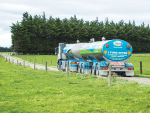


New analysis from DairyNZ highlights the growing importance of efficiency and cost control in maintaining profitability, with a widening gap between New Zealand’s highest and lowest performing dairy farms.
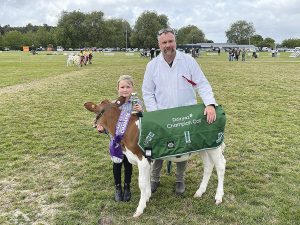
For eight-year-old Myra Smith, weeks of caring for and preparing her Red Holstein Friesian calf, Bell, have paid off, with the young Te Pahu handler taking home the Champion Dairy Type title at the recent Waikato A&P Show held at Claudelands.
A titan of the meat industry but a humble and generous guy.
In line with New Zealand’s strategy to open up new markets, the Ministry for Primary Industries (MPI) his extending its diplomatic footprint.
Demand for dairy products over the next two decades will increasingly be shaped by demographic shifts, rather than population growth alone.
The global dairy industry is fighting back against alternative proteins masquerading as dairy products.