IF WE DON'T look after all natural pollinators, particularly the honey bee, we could see economic and social collapse, says John Hartnell, Federated Farmers Bees chairperson and a Christchurch-based exporter of bee products.
"We are truly tiptoeing around the edge of a global chasm," says Hartnell. "One-third of the food all humans eat is directly pollinated by honeybees. Nothing comes close to matching nature's super pollinator. It is why the honeybee is most indispensable animal to modern society.
"When you eat your main meal tonight, just examine what's on your plate. Anything of colour, from broccoli to carrots, or avocados to beetroot, they are only there because of honeybee pollination.
"What's more, another third of the food we eat from agriculture is indirectly supported by honeybees pollinating pasture and crops.
"While too much nitrogen can be a bad thing, too little, we forget, makes life impossible. Without bees no one would be rolling in clover. It is that simple and that stark.
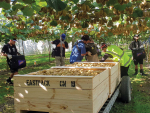
"Then of course there is fruit; our sixth largest export worth over $1.7 billion each year. Whether it is kiwifruit, apple, blueberry, cherry or pear, all are directly pollinated by the honeybee.
"Without the honeybee, we'd be pretty much dependent on an austere diet of fish, starch, grains and seaweed."
Hartnell says in China much of its pear industry relies on pollination by human hand because the overuse of agricultural chemicals has made the land hostile to the honeybee.
"That is why bees are an industry group within Federated Farmers and share policy resources with our arable sector. This recognises just how vital bees are to farming and farmers know that.
"The three most important things to agriculture are 'the bees, the bees and the bees – you've got to look after the bees.' That says it all," Hartnell says.