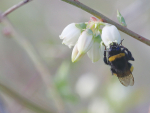
Planting to feed the bees
The Ministry for Primary Industries (MPI) have released a handbook offering guidance on how to plant strategically to feed bees.
 increase font size

New Zealand’s bee industry has appointed a consulting firm to advise the industry on how best to unify under one representative body.
Currently several bodies and membership organisations represent the industry. A situation, which is inefficient and stifles industry development, says Kim Singleton, Chair of the Interim Industry Working Group established to manage this project.
“This process is about exploring options that provide a more effective and better resourced industry organisation and to do that we need an outside look in. That’s why we’ve brought in a consultancy firm.”
Singleton says Catalyst Limited will lead the project and work with a range of industry stakeholders over the coming months. They will consult and research a number of viable options with the most appropriate organisational structures and funding mechanisms.
“It’s about both leading and supporting the bee industry more proactively.
“The bee industry is worth over $5 billion a year to the New Zealand economy and there is plenty of scope to expand that level of return. However, we need to have the right infrastructure and resources in place to facilitate the industry’s continued development.” Singleton concludes.
The Ministry for Primary Industries (MPI) have released a handbook offering guidance on how to plant strategically to feed bees.

A new in-hive heat treatment is able to destroy the Varroa mite whilst keeping bees alive.
The COVID-19 crisis appears to have sparked a renewed interest in the healing properties of honey.
Apiculture NZ is seeking assurances from authorities that the country’s beekeepers won’t be faced with the same problems that their Auckland colleagues did when that region went into lockdown.
New Zealand's apiculture industry is still growing, according to a new report.

In farming there are external factors that can influence behaviour of a whole herd, such as a bad weather event, triggering false positive heat detections or health attentions.
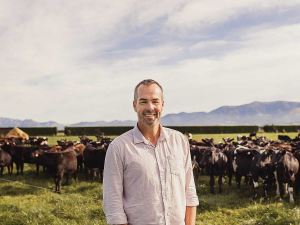
For Canterbury dairy farmer Cameron Henderson, supporting Meet the Need comes down to a simple question: how can the success of New Zealand farming benefit more than just those within the industry?
Fonterra board members are in line for a pay rise of around 3%.
Dairy processors are ready to further boost New Zealand’s export earnings but want the incoming government to match their ambition with good policy.
Massey University is best placed to solve the “problems” facing the dairy industry, says vice chancellor, Pierre Venter.
Synlait's longest serving employee – a man who joined the Canterbury-based milk processor even before it began processing milk – is now its newest executive.