BVD Control Begins Long Before You See A Problem
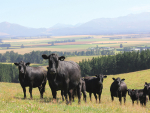
Bovine Viral Diarrhoea (BVD) is sometimes viewed as a dairy industry issue, but the reality is that the disease can have serious consequences for beef breeding herds as well.
 increase font size
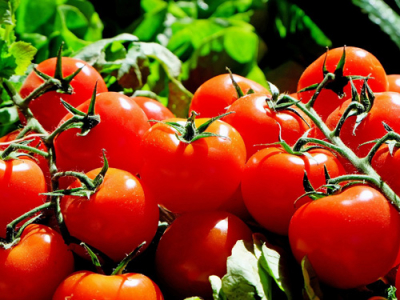 Tomatoes NZ is the latest industry group to sign up to a biosecurity partnership with government.
Tomatoes NZ is the latest industry group to sign up to a biosecurity partnership with government.
Tomatoes NZ signed the Deed of the Government Industry Agreement (GIA) for Biosecurity Readiness and Response at Parliament with Nathan Guy, Minister for Primary Industries in attendance.
“The signing of the GIA Deed is an important step to securing the future growth of our industry,” says Alasdair MacLeod, chair of Tomatoes New Zealand which represents New Zealand’s 149 commercial fresh tomato growers.
“New Zealand’s tomato industry has an ambitious goal to double in value, from $100m to $200m, by 2020. Biosecurity incursions are our biggest threat to achieving that. With growing numbers of tourists to our shores and a warming climate, it’s now more likely than ever before that foreign pests will establish themselves in New Zealand,” says MacLeod.
There are many tomato pests, viruses and diseases impacting on tomato production overseas that have the potential to have a major impact on production here if they were to arrive. For example, the arrival in 2006 of Tomato Potato Psyllid (TPP) costs the tomato industry an estimated $761,000 annually in control costs, lost production and increased compliance.
“The best way to protect New Zealand’s horticulture industry is through excellent border security, strong preparation for possible incursions and a rapid response when unwanted pests do arrive, to eradicate them quickly and effectively,” says MacLeod.
“Tomatoes NZ recognised early on that becoming a signatory to the GIA Deed would benefit fresh tomato growers by giving us a seat at the table with government and a greater say in preparing for and managing biosecurity risks specific to our industry.”
GIA secretariat manager Steve Rich agreed, saying he was pleased that the tomato sector has recognised the benefits of joining with industry and government and seeing how this can deliver better outcomes.
“Tomatoes NZ joins the growing number of industry groups prepared to take responsibility to manage biosecurity risks within their sector. GIA offers value in terms of working together to maximise the collective strengths of the partnership,” says Rich.
The tomato industry is New Zealand’s second largest vegetable sector, equal to onions, worth $118m at the farm gate. Abou 42,000 metric tonnes are grown mainly in 120ha of greenhouses, predominantly in the regions of Auckland/Waikato, Central North Island, Nelson/Marlborough and Christchurch.
Guy says biosecurity is his number one priority as Minister and as the recent Biosecurity 2025 document points out, it is a shared responsibility requiring everyone’s input and expertise.
TomatoesNZ represents the commercial fresh tomato sector which produces fruit worth approximately $100 million annually, including an estimated $8-9 million in exports.
TomatoesNZ joins Kiwifruit Vine Health, Pipfruit New Zealand, New Zealand Pork, New Zealand Equine Health Association, Onions New Zealand, the Forestry Owners Association, The New Zealand Avocado Growers’ Association, New Zealand Citrus Growers Incorporated and the Ministry for Primary Industries under GIA.
Bovine Viral Diarrhoea (BVD) is sometimes viewed as a dairy industry issue, but the reality is that the disease can have serious consequences for beef breeding herds as well.

Election years are always a concerning time for farmers, according to DairyNZ chair Tracy Brown.
Testing confirms H5 bird flu in a single northern giant petrel, found dead on a remote Cape Palliser beach in the Wairarapa, says Dr Mary van Andel, the Ministry for Primary Industries' (MPI) Chief Veterinary Officer.
Bovine Viral Diarrhoea (BVD) is sometimes viewed as a dairy industry issue, but the reality is that the disease can have serious consequences for beef breeding herds as well.
Four years since it was first detected in New Zealand, researchers and growers now know much more about management of maize pest fall armyworm (FAW).


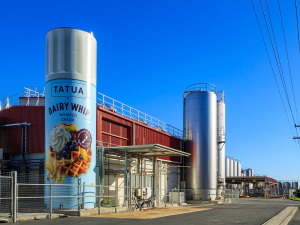
Waikato milk processor Tatua has again declared a record milk payout to farmer shareholders, leaving other processors in the dust.

A Labour-led Government won’t be bringing back the controversial freshwater rules of 2020.
National’s much-touted free trade deal with India featured in the Rural Issues Debate at Mystery Creek, Hamilton on Wednesday night.
New Zealand's 2026-27 freshwater fishing season has opened, with anglers encouraged to head to rivers and lakes over the coming days as conditions look favourable across much of the country.
Central Otago District Council (CODC) has voted against a plan to spread treated sewage sludge from Cromwell and Alexandra on farmland near Lauder, a decision Federated Farmers says reflects strong opposition from rural residents.
Pāmu has released its FY26 Integrated Annual Report, reporting a Net Operating Profit of $113 million, more than double the $49 million recorded in FY25.