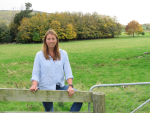
Westpac Urges Farmers to Prepare Now for El Niño Drought
Westpac NZ is calling on farmers and growers to start preparing now for the possibility of a dry summer, as likely El Niño conditions raise the risk of drought across parts of the country.
 increase font size
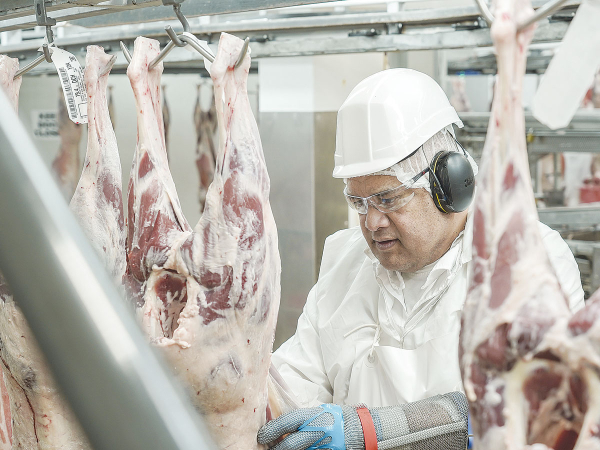 China remains our top market with 50% of total lamb exports, but the value of shipments has plunged 25% year-on-year.
'El Nino has officially arrived.’
That’s how Rabobank’s October agribusiness report begins, on the back of NIWA’s weather reports for September.
This has seen RaboResearch lower its milk production forecast from the big seven milk export regions to a mere 0.4% growth in output. However, it also sees a possible whiplash in milk prices growing as demand resurgence potentially outstrips milk output, leading to a shortage of milk and providing a bullish run into 2024.
Following beef prices tracking upwards in August after slipping in July, the banks says the North Island bull price is tracking for a slight lift above the five year average by the end of the month. In the US, higher domestic lean beef pricings as well as lower inventory are anticipated to provide positive support for imported NZ product over the coming weeks. While YOY shipments to China fell by 40%, this is mostly offset by much higher export volumes (+118%) and values (+80%) to the US.
Lamb prices generally follow on from August; that is to say, historically low but stable. While China remains our top market with 50% of total lamb exports, the value of shipments has plunged 25% year-on-year. However, demand from other markets is stronger than this point last year, with exports to the UK and US higher yearon- year for volume and value. On the other hand, Rabobank sees some indications showing that volumes may be starting to move again in the Chinese market.
The report says the bank’s prediction that August’s surge in fertiliser prices was only a temporary price correction has been borne out by the drop in Middle East reference for urea dropping 2.5% and Canadian potash steadying. Meanwhile, it says Chinese price of herbicides, fungicides and insecticides have dropped 30% YOY, and next season is likely to have a better cost structure for agrichemicals and fertilisers.
Rabobank says with Q2 growth exceeding expectations and a revised result for Q1 bringing it out of the negative, combined with a weak currency and rising global energy prices, make a much greater likelihood of a rise in the official cash rate in the near future.
Westpac NZ is calling on farmers and growers to start preparing now for the possibility of a dry summer, as likely El Niño conditions raise the risk of drought across parts of the country.

A 'tsunami' of milk from key exporting countries is winding down and this may be good news for New Zealand dairy farmers.
Have a plan in place for your cows and staff.
Drench Options are become increasingly limited for sheep farmers, highlighting the importance of proactive parasite management planning within the wider farm system to stretch the longevity of drench as a tool.
If you're thinking about investing in ways to push feed forward, this is the year to do it.


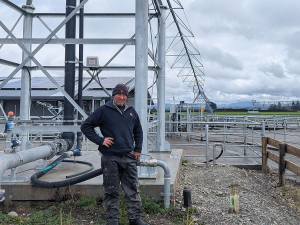
Converting a longstanding cropping farm to dairy was the only way to ensure the land stayed in the family long term, says new dairy farmer Rod May.

As the election heats up, Organics Aotearoa New Zealand (OANZ) has launched its election scorecard designed to help voters wanting to support policies that grow organic and New Zealand's organic sector.
A 'tsunami' of milk from key exporting countries is winding down and this may be good news for New Zealand dairy farmers.
Will the good times last? That's one of the key issues to come out of the latest Federated Farmers confidence survey.
Outgoing Fonterra Co-operative Council chair John Stevenson says that it has been a privilege to represent the co-op's farmer shareholders.
Have a plan in place for your cows and staff.