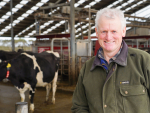
Inside the Southland Dairy Farm Where Robots and Pasture Work Together
In Dacre, near Invercargill in New Zealand’s South Island, Bruce Dinnington is running a dairy operation unlike any other.
 increase font size

THE NATIONAL Animal Welfare Advisory Committee (NAWAC) is seeking public consultation on proposed changes to the Animal Welfare (Dairy Cattle) Code of Welfare 2010.
NAWAC is proposing that blunt force trauma may not be used for the routine killing of unwanted dairy calves on the farm.
"We understand that people are concerned about farmers using blunt force trauma to kill young calves on the farm," says Dr Karen Phillips, deputy - chair of NAWAC.
"The risks of incorrect use, coupled with the fact there are alternatives that can be better for animal welfare, meant that it was time to consider changing the rules on this.
"Industry bodies have been discouraging it over a number of years and it is no longer common practice. However, we agree that there are significant animal welfare concerns when this method is not used correctly," says Dr Phillips.
The proposed changes to the Animal Welfare (Dairy Cattle) Code of Welfare are as follows:
Proposed amendment to 5.10 Calf Management:
Specification that blunt force trauma is not acceptable for routine killing of unwanted calves; Calves must remain insensible until death is confirmed; and Those destroying calves on-farm must be competent.
Proposed amendment to 6.4 Emergency Humane Destruction:
Clarifies that methods used to kill an animal in an emergency may be used in an emergency only and may not be used for routine on-farm destruction of dairy calves; and Emphasises the need to ensure the death of the animal following any humane destruction.
"The long term solution is to support the work that industry is doing to discourage the killing of calves on farm by blunt force.
"We want to hear from farmers on whether or not our proposals are realistic for them. Without farmer support, animal welfare cannot improve," says Dr Phillips.
To read the proposal and make a submission, visit the MPI website:
http://www.biosecurity.govt.nz/biosec/consult
In Dacre, near Invercargill in New Zealand’s South Island, Bruce Dinnington is running a dairy operation unlike any other.
Rural leader Mark Hooper has been appointed as an independent director to the NZPork board, bringing extensive farming, governance and advocacy experience to the role.
Climate, nature and animal wellbeing make up Fonterra's refreshed sustainability roadmap released last week.
B+LNZ's Wormwise veterinarian Mary Bowron has won the Best Sheep and Beef Vet of the Year Award in recognition of her outstanding contribution to New Zealand’s sheep and beef sector.
With lambing underway in many regions, Beef + Lamb New Zealand is encouraging farmers to put together a wellequipped lambing kit to help minimise lamb losses, particularly in bad weather.


Beef + Lamb New Zealand (B+LNZ) says it welcomes the passage of the Natural Environment Bill and Planning Bill, calling the bills a positive step for sheep and beef farmers.
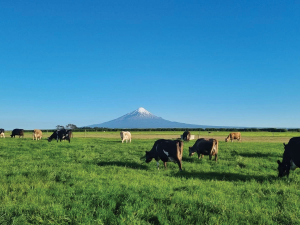
A spate of southerly winds bringing cold temperatures has presented challenges for Taranaki dairy farmers.
Converting a longstanding cropping farm to dairy was the only way to ensure the land stayed in the family long term, says new dairy farmer Rod May.
As the election heats up, Organics Aotearoa New Zealand (OANZ) has launched its election scorecard designed to help voters wanting to support policies that grow organic and New Zealand's organic sector.
A 'tsunami' of milk from key exporting countries is winding down and this may be good news for New Zealand dairy farmers.
Will the good times last? That's one of the key issues to come out of the latest Federated Farmers confidence survey.




