Editorial: Which Chris By Christmas?
OPINION: At first glance it appears that Father Christmas has delivered the rural sector good tidings, with most pundits predicting the return of the centre-right coalition.
 increase font size
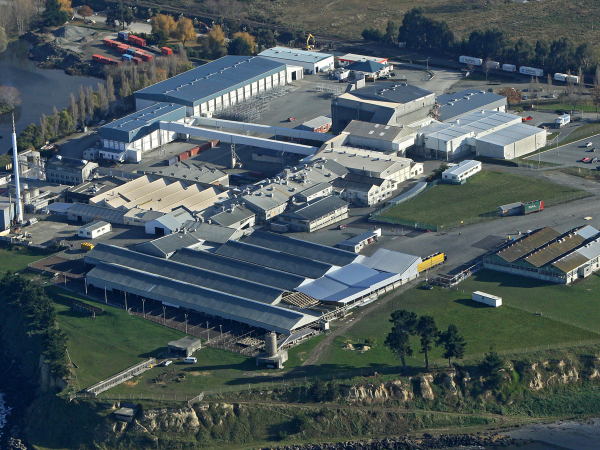 The closure of Alliance's Smithfield plant at Timaru will prove yet another blow for the heartland.
OPINION: Rural New Zealand has been taking some very big hits of late. The latest of these, the closure of Alliance’s Smithfield plant at Timaru, is yet another blow for the heartland – the engine room of the economy.
Farmers are struggling with the effects of adverse weather, terrible prices for lamb and having to sell their products in an unstable global market.
For the workers at Smithfield it is a bitter blow. They are highly skilled people who have played a huge part in the local and national economy. There are also the other people who have support roles around the processing plant who will now have the unenviable task of finding work and maybe having to leave the district.
While many may see the closure of the 139-year-old Smithfield plant as a surprise, the fact is that this has been a storm coming and the fact that it’s taken so long to happen is itself a surprise. Alliance rightly points to the age of the plant and need for investment to upgrade it. Another major factor is declining stock numbers, so the economics of an upgrade don’t cut the mustard. Unfortunately, Smithfield is the area where the declining stock has had a significant impact, says Alliance.
But there are other things in play as well.
Land use change – for the worse – has seen pine trees planted on good sheep country, with the result that the national ewe flock continues to drop. That is not the fault of Alliance, rather questionable economic policies which encourage the planting thousands of hectares of land in pines. For what good reason, many ask. Carbon farming, they say.
The other factor at play with Smithfield is urban encroachment and there are rumours in Timaru that a developer is interested in the site for retail or other business options.
There is talk that the coolstores at the site may be kept as they are believed to be in reasonable condition. Little is for certain now.
What is certain is that there could be more closures like Smithfield if stock numbers continue to decline and newer plants with greater capacity and are better designed to better meet the needs of overseas consumers take over from the older plants.
OPINION: At first glance it appears that Father Christmas has delivered the rural sector good tidings, with most pundits predicting the return of the centre-right coalition.

OPINION: The Government's decision to reinstate agriculture and horticultural science as a standalone subject from Year 11 is the right one.
OPINION: Political parties are getting plenty of advice and recommendations from sector groups as the election approaches.
Alliance is calling for final applications for its 2027 Graduate Programme, with applications closing on Sunday 25 October.
OPINION: Making it easier to collect rainwater and use it to grow crops and livestock is a no brainer.


OPINION: At first glance it appears that Father Christmas has delivered the rural sector good tidings, with most pundits predicting the return of the centre-right coalition.

For 15 years, Glenda Rees has travelled from Gore to Awarua, often several times a week, to keep watch over one of the country’s rarest birds.
With some farmers opposing a government-industry partnership set up to develop methane reducing products, one NZ company claims that it already has a product on the market.
During the nesting season, from September to December, industrious starlings can quickly build nests in the darker areas behind tractor and vehicle, usually close to hot engines, typically resulting in localised damage or in some cases complete write-offs.
The meat processing industry is much more collegial than it was in the past and is now more focused on common goals.
With the last couple of months having seen some potential tractor purchases put on hold with the impending election and continued input cost rises, year-to-date figures, ending September, has seen deliveries up around 5% over the same period in 2025, with a total of 2026 units.