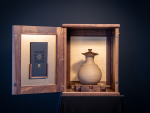
Naki unveils the world’s most expensive manuka honey
Naki Honey, a New Zealand manuka apiary company, has crafted what is believed to be the world's most expensive honey.
 increase font size
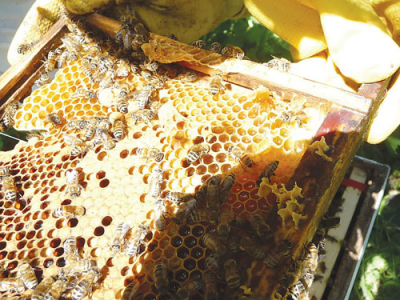 In the past decade or so, NZ’s beehive numbers have jumped from 300,000 to over a million on the back of the manuka honey hype, but many of the country’s beekeepers are now struggling to make any money.
OPINION: Honey isn't the gold mine the media often sets it out to be.
It seems that nowadays, every few weeks, there is reference in the news media to honey as ‘liquid gold’, creating the impression that anybody with a few beehives is making a fortune.
However, you don’t have to scratch the surface much to find this is not all true. Much of this is due to the manuka honey ‘gold rush’.
Why is this?
Originally, New Zealand top-grade honey was based on South Island clover. The country’s bee population was about 300,000 hives spread proportionally 50/50 between the North and South Islands.
NZ produced about 1000 tons more than we consumed and this 1000-odd tons was exported at international prices, which also set the price that NZ packers paid local producers.
Ten or more years ago, Professor Peter Molan of Waikato University was researching natural medicines and found that a small percentage of pure manuka honey had medicinal properties. This started a frenzy and – with good marketing – it seemed all the world wanted manuka honey.
Suddenly honey (manuka) that was once low-priced was commanding prices of $20 - $200/kg. Our pasture honey, which was selling at $4 - $5/kg climbed to $12 - $14/kg in 2016, mainly owing to the practice of mixing it with manuka honey and selling it as manuka-blend
Then NZ’s hive numbers climbed to almost 1 million – many owned by international companies. Competition for sites became intense with many local beekeepers being overwhelmed by large numbers of other hives, or by dirty tricks such as having their hives poisoned, burnt or stolen.
Overseas buyers became disillusioned at the quality of the manuka honey they were receiving, to the point where they started to withdraw it from their shelves.
This prompted MPI to develop a scientific test to define the purity of manuka. Now any honey exported from NZ, labelled as ‘manuka’, must be stamped on the label or drum as complying with the MPI test.
This means that only pure, certified manuka can command a premium price and non-pure manuka is rated along with all other honeys as table-grade honey. This honey, which until the new MPI testing regime sold at $10-$14/kg, is virtually unsaleable. Prices now are $5-$7/kg, but the packers are not buying. I have even heard of sales at $3/kg by desperate beekeepers.
There would be thousands of tons of last season’s crop sitting in beekeepers’ honey houses unsold and we are now at the start of the new season’s production.
There are beekeepers who will only place hives to get rated manuka honey and will not place hives for pasture honey, as the prices offered make it unsustainable. The sad thing about this is that farmers are now encouraging beekeepers to place hives on their farms as they realise the importance of clover in view of the nitrogen caps being placed on them.
I believe the future of beekeeping will go back to pre-manuka days, when surplus honey will be purchased by overseas buyers at international prices and will set the price paid for table grade honeys.
While this will clear NZ stocks, it will not be at a price many producers today – particularly those who have recently come into the industry – will be happy with.
• John Wright is a beekeeper with 65 years’ experience, including 56 years exporting comb honey.
Naki Honey, a New Zealand manuka apiary company, has crafted what is believed to be the world's most expensive honey.
Thousands of honey retailers and professionals worldwide are getting a taste of the remarkable properties of New Zealand mānuka honey.
After three years of record performance, mānuka honey exporter and retailer Comvita has reported an annual net loss of $77 million.
Bee awareness month - September - ended on a high for the struggling apiculture sector.
While confident that the apiculture sector can meet its target of doubling honey exports by 2030, chair of ApicultureNZ, Nathan Guy, says it will be challenging.



Celebrating 50 years in the rural landscape of Central Canterbury and beyond, Ashburton-based Carrfields, has been the exemplar for all aspects of modern agriculture via its extensive range of services including supply, growing, agronomic advice and marketing.

For Taupiri dairy farmers Logan and Sian Dawson, their involvement in the NZ Dairy Industry Awards has been a key catalyst in the growth of their business - the experience helping shape how they approach the farm ownership pathway they are pursuing today.
West Otago dairy farmer Luke Kane has been awarded the 2026 Rabobank Dr John Morris Business Development Prize.
OPINION: As the general election approaches, political parties are churning out policies in the hope of attracting more votes.
An LIC bull, Tronnoco AR Sadio-ET S3F, bred by Tony and Keri O'Connor of Tronnoco Farming Co Ltd near Timaru, has won the 2026 Mahoe Trophy.
With forecasters advising El Niño conditions will develop through winter and strengthen into spring and summer, Ballance Agri-Nutrients is encouraging farmers and growers to think ahead about nutrient planning and be prepared to work around challenging weather conditions.