Egmont Honey Buys Tweeddale's, Now NZ's Biggest Apiary
New Plymouth-based Manuka honey exporter Egmont Honey has completed its acquisition of Taihape beekeeping business Tweeddale's Honey, with settlement finalised on Friday, 18 September.




 increase font size
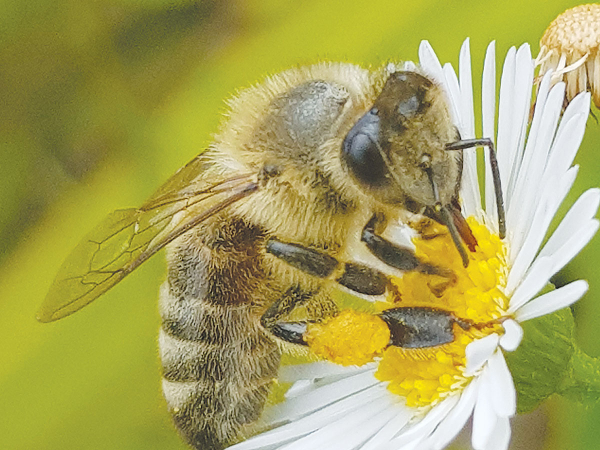 NZ exports $3.5 million of honey annually to the UAE.
Bee awareness month - September - ended on a high for the struggling apiculture sector.
The signing of the Comprehensive Economic Partnership Agreement (CEPA) with United Arab Emirates (UAE) is a good outcome for NZ honey exporters, according to the chief executive of Apiculture NZ, Karin Kos.
The organisation represents and advocates for a significant number of individuals and organisations in the apiculture sector.
Kos says the removal of the 5% tariff on NZ's $3.5 million honey exports to the UAE is good news for the sector. She says this will make doing business easier for exporters at a time when it is much needed by the sector.
"We are hopeful that more deals like this will come through in the future. While the 5% tariff is not huge, every dollar counts during this difficult time for our industry. It is great to know of the Government's commitment to get out and secure more deals," she told Rural News.
Kos says the sector is constantly looking for new opportunities because manuka honey is a small, young industry globally. She says manuka is regarded as a premium product so it's about opening and growing those markets.
"UAE demand for NZ honey has risen notably in the past five years and has presented new opportunities for exporters looking to reach consumers interested in high quality food products," she says.
The good news of CEPA for the honey sector came right at the end of ApicultureNZ's annual promotion of the bee industry.
During the month of September, local bee clubs, whose members consist of hobby apiarists, have been getting out to the community and schools and raising the awareness and importance of bees, not only to the wider primary sector but especially to city and towns folk.
Kos says many people are simply not aware of how important bees are to the NZ economy - especially their roll in pollinating all manner of fruits, vegetables and flowers.
"We have about 60-plus bee clubs across the country and their members who are all volunteers and are very knowledgeable. They run a series of events in their respective communities as part of the awarenes campaign. We also have support from larger companies who also get involved in this month-long programme," she says.
Kos says some townsfolk sees bees as a nuisance but seem to forget that bees make for great gardens. She says one of the pleasing things that's happened in recent years is that schools, helped by local bee clubs, have got hives on their school grounds - but in a safe place.
"There is one school in central Wellington that has its own hives, which is really special," she says.
Kos says she's very pleased with this year's awareness month and says the good new about the UAE trade deal has made it a good month for the sector.
New Plymouth-based Manuka honey exporter Egmont Honey has completed its acquisition of Taihape beekeeping business Tweeddale's Honey, with settlement finalised on Friday, 18 September.
Moves are underway to create a single organisation to represent the country's beekeepers.
On June 5, Apiculture New Zealand (ApiNZ) members will vote on the future of beekeeper representation in New Zealand.
Naki Honey, a New Zealand manuka apiary company, has crafted what is believed to be the world's most expensive honey.
Not all stakeholders involved in the proposed merger of honey industry groups - ApiNZ and Unique Manuka Factor Honey Association (UMFHA) combining to form a larger organisation - think the deal is so sweet.


Farmer-owned fertiliser company, Ballance Agri Nutrients is welcoming National’s plan to negotiate security agreements with key supplier countries to protect New Zealand-bound products from export restrictions and greater supply chain certainty.

Carrfields has announced the appointment of Stu Hall to the newly created role of chief operating officer, Carrfields Ltd, reflecting the continued growth of their agribusinesses and the need to ensure the company has the leadership capacity and support in place as it pursues the emerging opportunities ahead.
New Zealand's role is not to compete with Indian growers, according to NZ Apples and Pears.
The potato industry is celebrating the success of two rising stars - James Blair, the 2026 Young Grower of the Year and runner-up and innovation award winner, Amber Davy.
Twenty-eight emerging leaders from across the horticulture sector spent two days last month learning valuable skills and connecting with industry experts.
There are five entrants in this year’s Young Horticulturist of the Year, competing in a series of technical, practical, business and leadership challenges.


OPINION: The same mainstream media muppets that brought you Jacindamania in 2017 have been flat out pimping for the Opportunities…
OPINION: Your old mate reckons the atrocious way farmers in the UK are treated by their lords and masters in…




