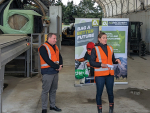
New Rural Recycling Scheme to Replace Voluntary Farm Plastics Programmes by 2027
Environment Minister Nicola Grigg has announced details of a new rural plastics recycling scheme.
 increase font size
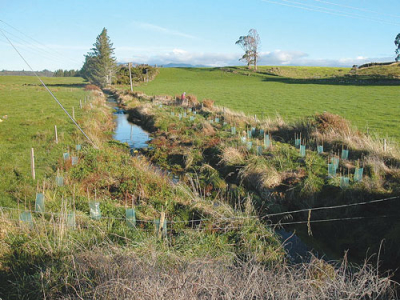 Some 97% of waterways on dairy farms are now fenced off from stock.
OPINION: They say when you point a finger at someone in condemnation you have three fingers pointing back at yourself.
Fishing and hunting lobby group Fish & Game NZ has spent the best part of the last two decades pointing the finger at the farming sector and blaming it for the degradation of the country’s waterways. There is no doubt that the intensification of farming – particularly dairy with its increased application of nitrogen and phosphorous fertilisers and shonky farming practices -- has all led to a decrease in the quality of waterways over the decades.
However, it is also true that the agriculture sector in general – and dairy especially – has lifted its game in environmental practices. Nothing is perfect, it never will be.
Some 97% of waterways on dairy farms are now fenced off from stock, and farmers have worked thoughtfully and hard to put in riparian margins and wetlands. Many during the last ten years have also spent hefty sums on effluent management systems. Dairy, sheep and beef, arable and horticulture organisations all have spent millions of dollars on science, research and development and technology in an effort to protect and improve the nation’s waterways.
New regulations are being implemented NZ-wide restricting land use, fertiliser application, irrigation, winter grazing and a myriad of other practices; all this is intended to improve water quality.
The above-mentioned new regulations now being implemented by regional councils have come on the advice of collaborative catchment and water zone committees made up of farmers, local government and wider community representatives – many of these being local Fish & Game NZ officers and /or councillors.
One has to question the huge disconnect between Fish & Game’s head office people who continue to take pot-shots at the farming sector and its people on the ground, many of whom are working with farmers and others in their local communities NZ-wide in a combined effort to improve water quality.
It is long past time for the Fish & Game head office wallahs to stop their incessant, negative finger pointing and emulate the collaborative stance of their people in local communities.
Environment Minister Nicola Grigg has announced details of a new rural plastics recycling scheme.

The Ballance Farm Environment Awards are coming to the West Coast of the South Island.
There's been widespread support from the primary sector for the Government's announcement on changes to freshwater farm plans that come under the Natural Environment Bill, which is now set to replace the existing RMA.
The chair of the country's environmental regulator, the Environmental Protection Authority (EPA), says changes are already under way to improve the performance of the agency to better meet the needs of those who interface with them.
New Zealand's Emissions Trading Scheme (NZ ETS) encourages afforestation while not achieving climate goals, says a new report released by the Parliamentary Commissioner for the Environment, Simon Upton.


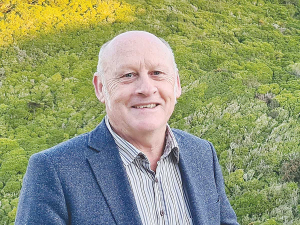
The Royal New Zealand College of General Practitioners (the College) and Hauora Taiwhenua Rural Health Network are calling for investment in a proposed new training pathway for rural GPs, warning that many rural practices are struggling to recruit while a large share of the existing workforce nears retirement.
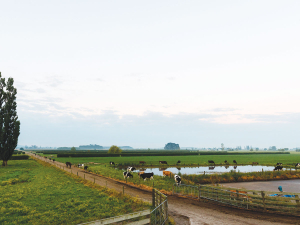
Federated Farmers has called on Central Otago District Council (CODC) to drop or vote down a plan to truck sludge from Alexandra and Cromwell to farmland near Lauder, warning it would compound an "outrageous" situation created by a separate council's decision weeks earlier.
Synlait has swung to second-half profit as operations stabilise, but the dairy processor still posted a $75.4m annual loss.
LIC shareholders have elected a new North Island representative to the co-operative's Board, along with five representatives to its Shareholder Reference Group (SRG), following the company's Annual Meeting held in Invercargill.
Farmers across parts of Southland and South Otago are continuing to deal with difficult conditions after a prolonged run of wet weather, with pressure building around feed supply, stock management, pasture damage, farm infrastructure and everyday workloads.
Federated Farmers says it welcomes Labour's commitment to reviewing the Sharemilking Agreements Act, calling on other major parties to do the same.