
M.I.A.
OPINION: The previous government spent too much during the Covid-19 pandemic, despite warnings from officials, according to a briefing released by the Treasury.
 increase font size
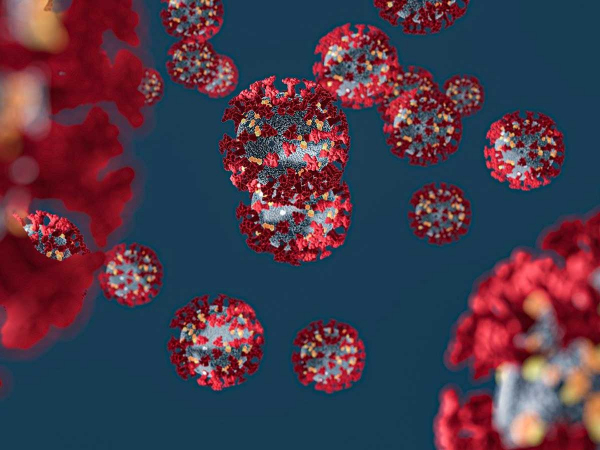 FAO director-general, Qu Dongyu is urging G20 countries to work to protect food value chains.
The United Nations’ Food and Agriculture Organization (FAO) is urging leaders from G20 countries to take measures to keep global food systems working well.
FAO director-general, Qu Dongyu is urging this work to be done particularly in relation to access to food for the world's poor and most vulnerable during the COVID-19 pandemic.
Dongyu made his appeal in an online address from Rome to the G20 Extraordinary Virtual Leaders' Summit on COVID-19.
The summit was called to forge a coordinated global response to the COVID-19 pandemic and its human and economic implications.
"The COVID-19 pandemic is affecting food systems and all dimensions of food security across the world," said Dongyu. "No country is immune."
"We have to ensure that food value chains are not disrupted and continue to function well and promote the production and availability of diversified, safe and nutritious food for all," he said.
Dongyu said lockdowns and restrictions on movement could disrupt food production, processing, distribution and sales, both nationally and globally, with the potential to have an "immediate and severe" impact on those restricted by mobility.
"The poor and the vulnerable will be the hardest hit, and governments should strengthen social safety mechanisms to maintain their access to food," he said.
Dongyu said global food markets are well supplied but there is growing concern.
He said measures should be taken to ensure that both national food markets and the world market continue to be a transparent, stable and reliable source of food supply.
Referring to the 2007-08 global food price crisis, Dongyu says at that time triggered a wave of export restrictions by some countries, while others started importing food aggressively.
Dongyu said this contributed to excessive price volatility, which was damaging for low-income food-deficit countries.
As economic activities slow down due to the COVID-19 pandemic, access to food will be negatively affected by income reductions and loss of employment.
"We need to make sure that agricultural trade continues to play its important role in contributing to global food security and better nutrition," said Dongyu.
"Now, more than ever before, we need to reduce uncertainty and strengthen market transparency through timely and reliable information."
OPINION: The previous government spent too much during the Covid-19 pandemic, despite warnings from officials, according to a briefing released by the Treasury.
OPINION: Labour leader Chris 'Chippy' Hipkins is carrying on the world-class gaslighting of the nation that he and his cohorts started after their disastrous Covid response; now trying to undermine the Covid inquiry to protect his own backside.
OPINION: Did former PM Jacinda Ardern get fawning reviews for her book?
OPINION: Welcome to the second annual NZ Dairy Expo at Matamata – an event created to bring together the best of the New Zealand dairy industry in a focused, grassroots environment where dairy farmers and rural professionals can meet, talk, compare products, and make smart decisions for their farms.
It's a bloody tough year for sheep farmers, but the worst may be over, and the future looks optimistic.



Federated Farmers has welcomed new rural policies released by ACT, saying they align closely with its own election priorities.

Rural Contractors NZ says proposed changes to land transport rules for agricultural vehicles are a welcome response by the Government to out of date regulations which have seen members hit with huge fines.
Alliance is calling for final applications for its 2027 Graduate Programme, with applications closing on Sunday 25 October.
Decades piloting planes has ensured vet and farmer David Hayes is focused on safety. So, after a serious accident while welding on farm, he is sharing his experience so others can learn from it.
Canterbury milk processor, Synlait Milk has confirmed Leon Fung as its chief executive officer.
OPINION: Making it easier to collect rainwater and use it to grow crops and livestock is a no brainer.




