DairyBase and MINDA Link Up to Cut Farmer Paperwork
Farmers can spend less time on paperwork, thanks to a new data sharing agreement between DairyNZ’s DairyBase and LIC’s MINDA software.
 increase font size
LIC subsidiary Dairy Automation Limited (DAL) is a finalist in two categories of the New Zealand Hi-Tech Awards.
The Hamilton firm, soon to be renamed LIC Automation, makes sensor technology systems for dairy sheds, for real-time milk analysis.
Its CellSense system is a finalist for the Endace Innovative Hi-Tech Hardware Product award, and its YieldSense system is up for the NZTE Innovative Agritech Product award.
CellSense meters measure somatic cell counts for early detection of mastitis. It is the only fully automated in-shed in-line somatic cell count sensor in the world, the company says.
YieldSense is a combined full-flow milk meter and milk component measuring device that measures the milk from each cow during milking. The sensor analyses yield, fat, protein, lactose, conductivity and plant wash.
Both systems integrate with LIC’s Protrack automation systems, so the farmer will be alerted to any cows seen by the sensor systems as needing closer inspection or treatment, and such cows will be automatically drafted at the end of milking.
DAL chief executive Gustavo Garza says, “the sensors are highly regarded by farmers in New Zealand, and demand from farmers overseas is increasing. Sensor technology has the potential to revolutionise herd testing and LIC is proud to be at the forefront of this technology.”
The winners will be announced in Wellington on May 15.
Farmers can spend less time on paperwork, thanks to a new data sharing agreement between DairyNZ’s DairyBase and LIC’s MINDA software.
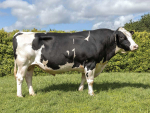
An LIC bull, Tronnoco AR Sadio-ET S3F, bred by Tony and Keri O'Connor of Tronnoco Farming Co Ltd near Timaru, has won the 2026 Mahoe Trophy.
Bovine Viral Diarrhoea (BVD) is estimated to cost New Zealand's dairy and beef industries more than $150 million every year, yet many of the tools needed to control it are already well understood. After more than 25 years in veterinary practice, Andrew Weir, animal health technical specialist at LIC, has seen firsthand the impact BVD can have on herd performance. We asked him about the role of persistently infected (PI) animals and the practical steps farmers can take to reduce their risk.
In the past, a bull could sit comfortably in a breeding team for several years with little change, but today, that’s no longer the case.
Paynes Titus Excelsior ET, an LIC bull bred by Brad Payne and Claire Brodie in the Waikato, has won the JT Thwaites Sire of the Season 2026 Award.


Minister of Conservation Hon Tama Potaka has appointed Susan O'Regan as Chair of the Queen Elizabeth II National Trust (QEII) for a three-year term.
Red meat farmers are welcoming Labour’s plan to review the Emissions Trading Scheme and not to campaign on pricing agricultural emissions.
Where any worker in the kiwifruit industry is mistreated, we expect the authorities to take action.
Mid Canterbury Federated Farmers arable chair, Bevan Lill, said Beef + Lamb NZ data indicated that for the last six years, the average arable return on investment was about 0.8% while inflation ran about 4% - so the average arable farm was going backwards at about 3% a year.
Seed and grain companies share the concerns of arable farmers about the viability of their sector, says Seed and Grain New Zealand chief executive Dr Sarah Clark.
The New Zealand Institute of Forestry (NZIF) says unnecessary changes to New Zealand’s Emissions Trading Scheme (NZ ETS) will seriously erode investor confidence and result in significant reductions in forest planting rates.