
Synlait CEO Resignation Highlights Deeper Challenges Facing Dairy Processor
A revolving door of chief executives at milk processor Synlait is a warning sign, says Lincon University senior lecturer in agribusiness Nic Lees.
 increase font size
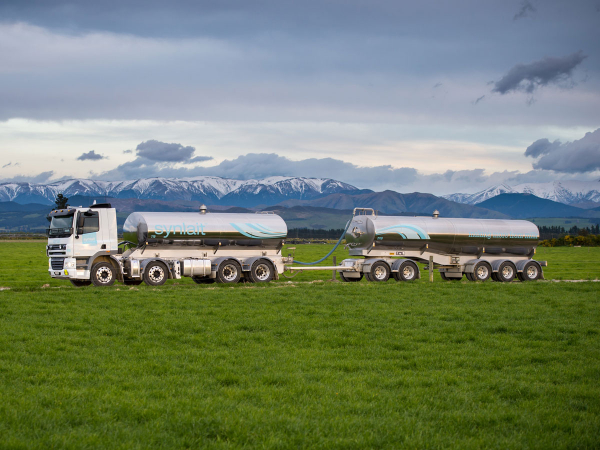 Synlait chief executive Leon Clement says Synlait is an export-based business.
The coronavirus outbreak contributed to Synlait’s decision to issue a wider earnings guidance range.
The Canterbury-based milk processor now expects a net profit after tax (NPAT) of between $70 million and $85 million, compared with $82.2 million for 2019.
The company says the outbreak has had no material short-term impact on its financial performance, but it represents some risk going forward so was considered as part of the broader outlook update.
The company says it takes the health and wellbeing of its employees and its food safety responsibilities very seriously.
“The spread of Coronavirus and the risk it poses to Synlait’s business is being carefully monitored. Globally there is uncertainty about Coronavirus’ impact on supply chains and consumer demand.”
Synlait chief executive Leon Clement said Synlait is an export-based business with a reputation built and maintained on putting people, food safety and quality at its heart.
“This will continue to inform our response to this situation. We are not currently experiencing any supply chain disruption; however, we are monitoring the situation very closely and felt it prudent to front foot potential impacts.”
A revolving door of chief executives at milk processor Synlait is a warning sign, says Lincon University senior lecturer in agribusiness Nic Lees.

Troubled milk processor Synlait has lost its third chief executive in five years.
Two major acquisitions in the New Zealand dairy sector were completed this week.
OPINION: Synlait's latest half-year result reveals a serious problem at the heart of the business: its core operations are no longer bringing in enough revenue to cover the cost of production.
OPINION: Synlait's woes show no sign of ending anytime soon.



Testing confirms H5 bird flu in a single northern giant petrel, found dead on a remote Cape Palliser beach in the Wairarapa, says Dr Mary van Andel, the Ministry for Primary Industries' (MPI) Chief Veterinary Officer.

"What's for dinner?" may sound like a simple question, but for many Kiwi parents, answering it has become a job in itself.
Fifty Eight years ago, on the 16th of August 1968, August Claas, the founder of the harvesting company and father of Helmut Claas, personally presented a Claas Senator combine harvester to Scottish farmer John Steven.
New Zealand consumers are paying more for beef mince than ever before, with the average retail price now sitting above $24 per kilogram, according to Rabobank.
State farmer Pamu has delivered its strongest operating result on record.
Four years since it was first detected in New Zealand, researchers and growers now know much more about management of maize pest fall armyworm (FAW).