International Day of Rural Women: Two DairyNZ Farmers’ Stories
Today, 15 October, is the International Day of Rural Women, which recognises rural women’s contribution to farming, communities and the environment.
 increase font size
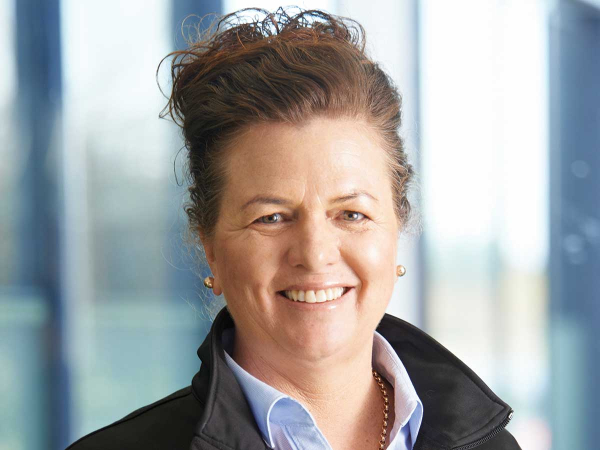 DairyNZ chair Tracy Brown
DairyNZ has announced the date for its upcoming Milksolids Levy vote.
The vote, which takes place every six years, will be held from Monday, 16 February to Friday, 13 March 2026.
Tracy Brown, chair of DairyNZ, says the levy underpins sector science, research, on-farm support, and advocacy to ensure a positive future for dairy.
“Voting ‘yes’ in the Milksolids Levy vote ensures we can continue to invest in the activities that matter most to farmers – both now and into the future,” Brown says.
She says that in the second half of 2025 and into 2026, the DairyNZ board and management team will be meeting with farmers to discuss the levy and answer questions.
“We value the opportunity to share the progress we’re making at a pivotal time for dairy,” she says.
“It’s important we continue to work with farmers and partners to secure the continued success of our sector.”
DairyNZ says that further details about the voting process and regional engagement events will be shared closer to the voting period.
Today, 15 October, is the International Day of Rural Women, which recognises rural women’s contribution to farming, communities and the environment.
The first major update to the Dairy Cattle Code of Welfare in more than a decade has been released, marking what DairyNZ describes as an important step in ensuring animal welfare standards continue to evolve alongside scientific evidence and on-farm realities.
Have a plan in place for your cows and staff.
DairyNZ deputy chair Cameron Henderson has been re-appointed unopposed for another term.
OPINION: The stats speak for themselves.


Federated Farmers has welcomed new rural policies released by ACT, saying they align closely with its own election priorities.
Rural Contractors NZ says proposed changes to land transport rules for agricultural vehicles are a welcome response by the Government to out of date regulations which have seen members hit with huge fines.
Alliance is calling for final applications for its 2027 Graduate Programme, with applications closing on Sunday 25 October.
Decades piloting planes has ensured vet and farmer David Hayes is focused on safety. So, after a serious accident while welding on farm, he is sharing his experience so others can learn from it.
Canterbury milk processor, Synlait Milk has confirmed Leon Fung as its chief executive officer.
OPINION: Making it easier to collect rainwater and use it to grow crops and livestock is a no brainer.