International Day of Rural Women: Two DairyNZ Farmers’ Stories
Today, 15 October, is the International Day of Rural Women, which recognises rural women’s contribution to farming, communities and the environment.




 increase font size
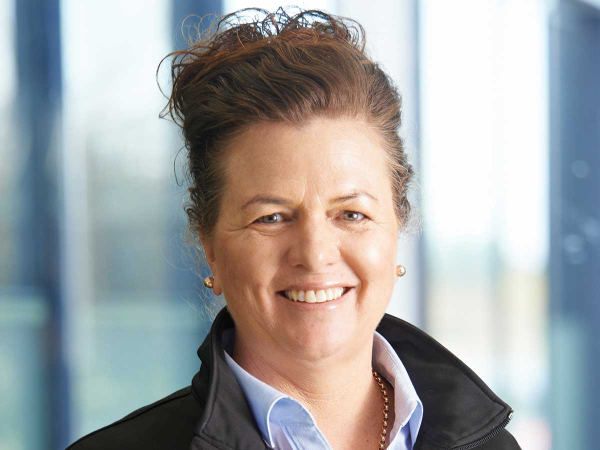 Tracy Brown
The DairyNZ board and management are currently trying to determine whether, and to what degree, their farmer levy payers will support any increase in their levy contributions.
Since last month, DairyNZ has been running a feedback programme on a proposal to increase the levy farmers pay from the present 3.6c/kgMS to either 4.4c or up to the maximum of 5c allowed by law. For the past 17 years, the levy has been set at 3.6c/kgMS but the board of DairyNZ has said this amount is insufficient to sustain the present level of work that it carries out.
But after numerous face to face meetings with dairy farmers around the country, and more than 1200 individual submissions lodged, not to mention dozens of other interactions, it seems there is no clear consensus, according DairyNZ chair Tracy Brown.
"The feedback has been quite polarised," she told Dairy News.
"A number of farmers want it to stay at 3.6 cents and then there are othrs who go for the full 5c/kgMS and adjust it for inflation. Then there are farmers who don't feel that they get value from what we do. We totally respect farmers' views and it's on us to communicate better and share the information.
"Having said that, I think the general view is that farmers can see that things have changed but they want better accountability about what we do and deliver," she says.
In terms of the feedback programme, Brown says DairyNZ did the best it could in the time available. She says maybe they could have done more but that would have come at a cost.
She says farmers are really digging their toes in and think that DairyNZ is enforcing some of these changes taking place on-farm.
Brown says the feedback sessions have been a good vehicle to set the record straight in this regard and point out it is the market, not DairyNZ, driving the change.
"Some farmers are very focused on the benefit to their farm. Others want the money raised by a given region spent on projects in that region, while others are taking a more sector-wide approach and seeing the future needs," she says.
Brown says the huge amount of information gathered from the feedback process is absolute gold and will be invaluable to the board making its decision.
Feedback To Be Analysed
The DairyNZ board now has about six weeks to analyse the feedback before reporting back to dairy farmers in early May.
Chair Tracy Brown says they will look at the feedback very carefully before reaching any decision. She says the aim is to come up with a number in May to give farmers certainty.
"If the consensus is no change in the levy, we would have to say that this could only be for a very short period. If it is higher, we will be able to say it will remain at this level for X number of years, so it's all a bit of a balancing act," she says.
Brown says the other factor at play is the board's fiduciary duty to maintain the financial viability of DairyNZ.
She says they are also conscious of the fact that next year there is the main levy vote scheduled, which gives farmers the right to reject the levy altogether. This however would seem a remote possibility.
Today, 15 October, is the International Day of Rural Women, which recognises rural women’s contribution to farming, communities and the environment.
The first major update to the Dairy Cattle Code of Welfare in more than a decade has been released, marking what DairyNZ describes as an important step in ensuring animal welfare standards continue to evolve alongside scientific evidence and on-farm realities.
Have a plan in place for your cows and staff.
A free online platform aggregating governance vacancies across rural and regional New Zealand has been launched.
DairyNZ deputy chair Cameron Henderson has been re-appointed unopposed for another term.


Federated Farmers has welcomed new rural policies released by ACT, saying they align closely with its own election priorities.

Rural Contractors NZ says proposed changes to land transport rules for agricultural vehicles are a welcome response by the Government to out of date regulations which have seen members hit with huge fines.
Alliance is calling for final applications for its 2027 Graduate Programme, with applications closing on Sunday 25 October.
Decades piloting planes has ensured vet and farmer David Hayes is focused on safety. So, after a serious accident while welding on farm, he is sharing his experience so others can learn from it.
Canterbury milk processor, Synlait Milk has confirmed Leon Fung as its chief executive officer.
OPINION: Making it easier to collect rainwater and use it to grow crops and livestock is a no brainer.

OPINION: It seems Canterbury processor Synlait is still in the doldrums.
OPINION: Get offside with New Zealand First leader Winston Peters at your own peril.