Editorial: Drones Are Not Toys
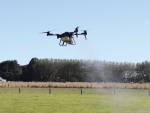
OPINION: David Seymour and James Meager's plan to make it easier for farmers and orchardists to operate drones can best be described a 'courageous' move.
 increase font size
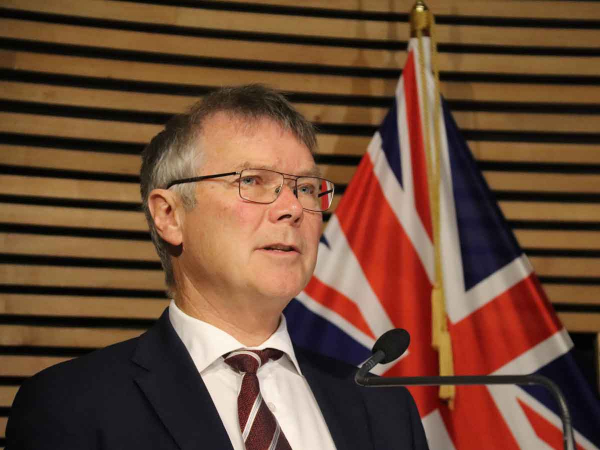 Minister for the Environment David Parker.
It seems like there are few tears being shed around the country about the news that the RMA is to be scrapped and replaced by three new separate Acts.
Instead of one, 800 page Act designed to achieve sustainable management, there will be three new Acts.
The Natural and Built Environments Act (NBA) to provide for land use and environmental regulation, is in effect is the primary replacement for the RMA. As well there will be the Strategic Planning Act (SPA) to integrate with other legislation relevant to development, and require long-term regional spatial strategies and the Climate Change Adaptation Act (CAA) to address complex issues associated with managed retreat and funding and financing adaptation.
The broad consensus for many years has been that the RMA in its present form is not working and tinkering with it make it right simply doesn’t work.
Environment Minister David Parker says urban areas are struggling to keep pace with population growth and the need for affordable housing, water quality is deteriorating, biodiversity is diminishing and there is an urgent need to reduce carbon emissions and adapt to climate change.
“The new laws will improve the natural environment, enable more development within environmental limits, provide an effective role for Māori, and improve housing supply and affordability. Planning processes will be simplified and costs and times reduced,” he says.
Other key changes include stronger national direction and one single combined plan per region. This some commentators suggest may spark a major and timely review of local government, given the role that local authorities play in the resource management space.
The 30 year-old RMA is one of the largest and most complex pieces of legislation on Parliament’s books and while it has been given the inevitable and popular death sentence, it will take time to unravel and pass the new laws and make them operational. In theory the government hopes to have the NBA and SPA in parliament and the NBA passed by the end of 2022, but many experts believe it will take several more years before the new legislation to become fully operative.
OPINION: David Seymour and James Meager's plan to make it easier for farmers and orchardists to operate drones can best be described a 'courageous' move.

The Government has announced it will pause key parts of Waikato Plan Change 1 (PC1) in a decision that is set to give Waikato farmers a reprieve from new consenting and farm-planning requirements while the wider resource management system is overhauled.
With six months until the election, Federated Farmers says the Government is running out of time to deliver its long-promised reform to the country's freshwater system.
In a major win for farmers, the Government has directed regional councils to halt all work on plans and regional policy statement reviews under the Resource Management Act (RMA).
Dairy farmers are set to benefit from the radical sweeping changes the Government is planning to make to the regulations that form part of the Resource Management Act (RMA).


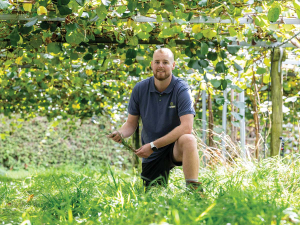
Twenty-eight emerging leaders from across the horticulture sector spent two days last month learning valuable skills and connecting with industry experts.
There are five entrants in this year’s Young Horticulturist of the Year, competing in a series of technical, practical, business and leadership challenges.
A seasoned horticulturist has been appointed to deliver the Apple Action Plan, a key initiative of the India-New Zealand Free Trade Agreement.
New Zealand's citrus growers have been told to compete on the value built into their fruit rather than the volume they grow.
Hawke's Bay fruit growers are being reminded of the need to prepare for whatever the El Niño weather system may bring in the coming months.
Three and a half years on from when Cyclone Gabrielle hit Hawke's Bay, some orchardists in the region are still receiving counselling to help them deal with the trauma they suffered.