Rabobank Launches HortPathways for Emerging Hort Leaders
Twenty-eight emerging leaders from across the horticulture sector spent two days last month learning valuable skills and connecting with industry experts.
 increase font size
 Michael Harvey, Rabobank.
The outlook for the coming dairy season is positive with prices stable and lifting slightly, several economists say.
Bank forecasts for the farmgate milk price for 2017-18 season range from $6.10/kgMS to $6.75/kgMS.
Last week’s GDT Event price index increase of 3.6% was higher than anticipated -- the fourth consecutive rise and the biggest increase so far this year. The whole milk powder index was up 5.2%, to an average price of US$3233/tonne.
Rabobank dairy analyst Michael Harvey says milk price is a positive story.
“We see market conditions remaining elevated through next season and helping deliver a slightly higher milk price,” he told Dairy News. Rabobank has $6.25/kgMS pencilled in for the 2016-17 season, a “slight improvement on where things are at”.
The past two season have been challenging for farmers so higher milk prices will be welcome.
“It will help farmers get their businesses back on track by paying down debt and rebuilding equity positions and even catching up on farm maintenance... things that may have been deferred through the down cycle,” Harvey says.
“So we are suggesting the outlook for the next season is positive for New Zealand farmers because of higher milk prices and because a lot of input costs should remain reasonably affordable by historical standards.
“We are talking about fertiliser costs still being relatively affordable and palm kernel as a feed source is still quite cheap. Good seasonal conditions leading up to the spring flush will point to a good season for profit.
“The [upwards] correction we have had in prices has largely been driven by farmers in exporting regions around the world reacting to low milk prices and cutting production and that has tightened them up. We are seeing signs of China continuing to buy product and we think that will continue through the year. There are still pockets of demand in South East Asia; buyers are still looking to stock up on milk powder.
“The GDT result last week was more a reaction to the poor weather NZ had in April which meant the volumes being sold through the auction were reduced. That caught some buyers off-guard and made them a bit nervous.”
Rising milk prices in export regions globally always has the potential to “turn on the tap”, he says.
“But we still take some comfort [from the thought that] the price signals are not really strong enough to drive a strong reaction to supply growth over the next 12 months.
ANZ rural economist Con Williams says recent gains combined with NZD weakness have raised opening milk price forecasts to the low-$6/kgMS.
“This combined with the likely upside to the season just ending means sector cashflow prospects are looking healthy for 2017-18,” he says.
Twenty-eight emerging leaders from across the horticulture sector spent two days last month learning valuable skills and connecting with industry experts.

A 'tsunami' of milk from key exporting countries is winding down and this may be good news for New Zealand dairy farmers.
Milk powder prices are keeping farmgate prices up, helping processors offset the dip in milk fat prices.
Chinese beef trade quotas and a looming suspension of Brazilian beef imports into the European Union are expected to reshape global beef trade flows over the remainder of 2026, with implications for New Zealand exporters, according to Rabobank's Q3 Global Beef Quarterly report.
New Zealand consumers are paying more for beef mince than ever before, with the average retail price now sitting above $24 per kilogram, according to Rabobank.


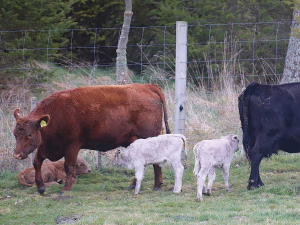
A major move is about to get underway to improve the quality and viability of dairy beef and cattle in NZ.
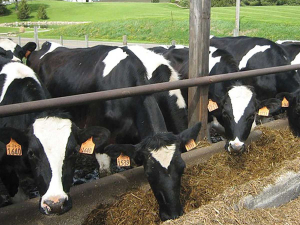
Veterinarians say changes to the code of welfare for dairy cattle provides a positive foundation for improved cattle welfare across the country.
Today, 15 October, is the International Day of Rural Women, which recognises rural women’s contribution to farming, communities and the environment.
Global dairy giant Lactalis has integrated its Australian operations with the Mainland Dairy consumer business it acquired from Fonterra earlier this year.
After almost two decades of sharemilking, saving and building equity, Aaron and Marcia Flay this year realised their long-held dream of settling on their first dairy farm.
Good medium to long term prospects for NZ beef, especially in the US, has heighted the focus on various initiatives to capitalise on this situation.