Mark Hooper Joins NZPork Board as Independent Director
Rural leader Mark Hooper has been appointed as an independent director to the NZPork board, bringing extensive farming, governance and advocacy experience to the role.
 increase font size
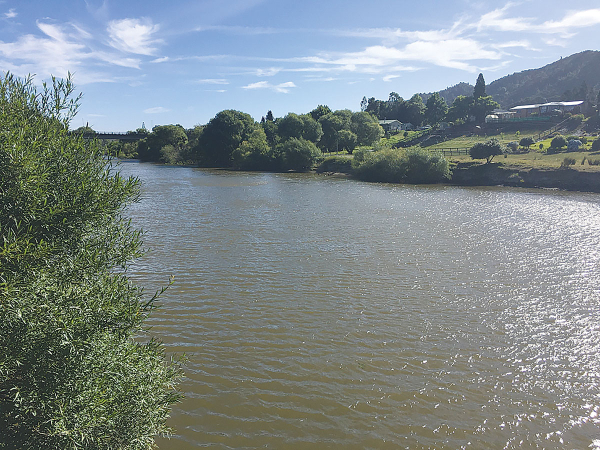 Waikato Regional Council chief executive Chris McLay says the plan change is one step closer.
Following twelve years of litigation, a conclusion could be in sight of Waikato’s controversial Plan Change 1 (PC1).
The Environment Court has given Waikato Regional Council until 25 July to respond to its interim decision on the plan, which the council has argued would improve water quality in the Waikato and Waipa rivers.
The court has indicated that it will likely reconvene the hearing in September to consider any proposed amendments.
Work on Waikato Plan Change 1 began in 2012 and it was formally notified in 2016.
Waikato Regional Council chief executive Chris McLay says PC1 is a complex plan change which has been in development for 12 years.
He says council staff will need time to digest the interim decision and address the court’s 35 directions.
“The policies and rules are still not operative, but this interim decision takes the plan change one step closer,” McLay says.
“For farmers and growers, it means there’s no action required right now until a final determination by the court,” he adds.
However, Waikato Federated Farmers president Phil Sherwood says concerns remain.
“Farmers have engaged constructively in the process for over a decade now, but the plan has been stuck in an endless cycle of hearings, appeals and Environment Court processes,” Sherwood says.
“When it comes to farming rules, Waikato farmers are looking for some certainty, but we also need to know rules will be practical, affordable and fair.”
Sherwood says that farmers have been subject to an “incredibly long and expensive process”.
“We’ve spent hundreds of thousands of dollars in legal costs, and countless volunteer hours,” he says.
“This plan change will have a huge impact on farming families and businesses. It will cover everything from fencing requirements right through to farm environmental plan standards.”
He says PC1 would be the most significant change to Waikato farming rules in more than a generation.
“Under these rules, almost all farmers are going to need a farm environment plan and some will now require a resource consent to continue farming.
“This is largely in line with where national regulation has been heading for a while now and some farmers will already have a farm plan of some description in place.
“Our team are now working through the detail to understand what additional requirements, if any, might be put in place for Waikato farmers over and above existing requirements.”
Rural leader Mark Hooper has been appointed as an independent director to the NZPork board, bringing extensive farming, governance and advocacy experience to the role.

The terrible floods that hit the Wairarapa may have subsided, but the danger to farmers still exists, according to local Federated Farmers president Rob Hickson.
Will a stronger, more coordinated voice help rebuild confidence and improve returns in the wool sector?
New Zealand's pest problem has reached crisis point, according to Federated Farmers' second National Pests Survey, which shows farmers are spending more money and effort on control — yet pest numbers keep climbing faster than they were two years ago.
Despite political shenanigans in Wellington, farmers are confident that Resource Management Act (RMA) reforms will get over the line in this term of Parliament.


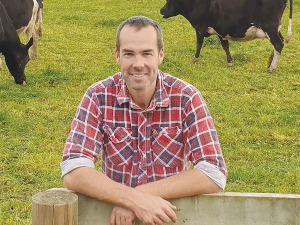
DairyNZ deputy chair Cameron Henderson has been re-appointed unopposed for another term.
Farms across the upper North Island are trialling different pasture mixes as part of a research programme that aims to build greater resilience into farming systems.
Election years are always a concerning time for farmers, according to DairyNZ chair Tracy Brown.
The Ballance Farm Environment Awards are coming to the West Coast of the South Island.
Most dairy regions around the country have had a pretty good season so far says Tracy Brown.