International Day of Rural Women: Two DairyNZ Farmers’ Stories
Today, 15 October, is the International Day of Rural Women, which recognises rural women’s contribution to farming, communities and the environment.
 increase font size
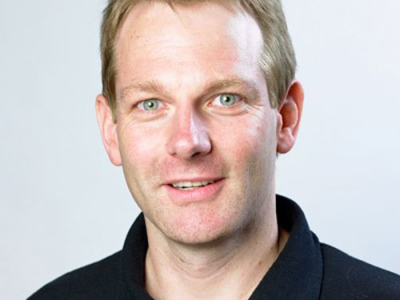 David Burger.
The good Farming Practice Action Plan for Water Quality launched this month is another way dairy and the wider agricultural sector are working in partnership to improve water quality in New Zealand, says DairyNZ.
As part of the governance group developing the action plan, DairyNZ says the initiative is significant because it has been developed and agreed on between central and local government and the primary sector.
“This partnership approach is essential to achieve improved water quality outcomes, a goal shared by all,” says Dr David Burger, DairyNZ strategy and investment leader dairy.
“Many farmers have already done a huge amount of work to improve their farm environmental practices over the last decade, including stock exclusion from waterways, effluent management and nutrient management, and this action plan will build on that.”
The action plan’s 21 principles include actions on nutrient management, minimising risks to water quality, managing land and soil risks, ensuring effluent systems are adequate and managing irrigation.
“Farm plans will continue to have practical, specific actions for each property, taking into consideration climate, soil and the farm system,” says Burger.
“But those actions will align with the national set of principles set out by this action plan and be targeted toward the key things which will make the biggest difference in each catchment and across all land users.”
The action plan’s principles build on previous work led by farmers and industry, and allow each region or catchment to prioritise and target the key actions most likely to make a difference to local water quality.
“This new action plan cements the ongoing importance of this work, and our commitment to achieve good farming practices on all farms,” says Burger.
“The collective actions implemented onfarm will be monitored and reported on, so collectively we will be able to show how much is going on regionally and nationally to reduce dairy’s impact on water quality.”
Higher standards
Federated Farmers environment spokesman Chris Allen says the plan is “a tangible illustration of the commitment by the primary sector, local and central government to work together to enhance our streams and rivers”.
“Our agriculture and horticulture industries are already a long way down the trail of environmental stewardship but this is an important step towards achieving higher standards,” Allen says.
“It’s all aimed at encouraging every farmer and grower to adopt good practice and put in place a farm environment plan that boosts waterway protection onfarm and at catchment level.”
Allen says the principles and actions in the plan will not be new to many farmers, such as those who already have farm environment plans.
“But it’s a comprehensive checklist they can use, and for farmers who are not up to speed on these things it can be their impetus and starting point.”
Earnings from the primary sector underpin the NZ economy “and in a world where consumers are increasingly demanding proof their food has been produced to high standards of animal and environmental care we need to continue to lead the way”.
Today, 15 October, is the International Day of Rural Women, which recognises rural women’s contribution to farming, communities and the environment.
The first major update to the Dairy Cattle Code of Welfare in more than a decade has been released, marking what DairyNZ describes as an important step in ensuring animal welfare standards continue to evolve alongside scientific evidence and on-farm realities.
Have a plan in place for your cows and staff.
DairyNZ deputy chair Cameron Henderson has been re-appointed unopposed for another term.
OPINION: The stats speak for themselves.


Federated Farmers has welcomed new rural policies released by ACT, saying they align closely with its own election priorities.

Rural Contractors NZ says proposed changes to land transport rules for agricultural vehicles are a welcome response by the Government to out of date regulations which have seen members hit with huge fines.
Alliance is calling for final applications for its 2027 Graduate Programme, with applications closing on Sunday 25 October.
Decades piloting planes has ensured vet and farmer David Hayes is focused on safety. So, after a serious accident while welding on farm, he is sharing his experience so others can learn from it.
Canterbury milk processor, Synlait Milk has confirmed Leon Fung as its chief executive officer.
OPINION: Making it easier to collect rainwater and use it to grow crops and livestock is a no brainer.