Fonterra CFO Andrew Murray Resigns
Fonterra Co-operative Group chief financial officer Andrew Murray has resigned to take up a role outside the dairy giant.
 increase font size
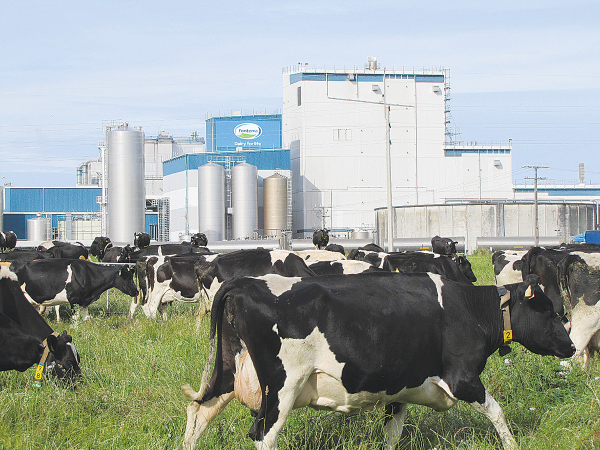 The results also delivered relief to Fonterra’s 10,000 farms, whose owners have a stake in the co-op.
OPINION: Fonterra deserves a pat on the back for delivering another solid set of financial results.
They are the culmination of a huge amount of hard work put in by everyone across the co-op, led by chief executive Miles Hurrell and his management team. They must be commended for continuing to deliver consistently strong financial results in an increasingly volatile world.
The results also delivered relief to Fonterra’s 10,000 farms, whose owners have a stake in the co-op. Life on farms has been tough thanks to high input costs and interest rates over the past few years.
Fonterra is an extension of the farm businesses. Peter McBride, Fonterra chair, says the co-op exists to provide certainty and manage risk on their behalf, while maximising returns via a competitive and sustainable milk price, and a respectable return on the capital they invest in Fonterra.
Stable earnings across the co-op - Ingredients, Foodservice and Consumer channels- contributed to earnings before interest and tax (EBIT) from continuing operations of $1.6 billion.
Last year the co-op’s Foodservice channel was the standout performer with a return on capital of 19.6%.
Fonterra finished the year in a strong position - a solid return on capital of 11.3%, significantly above its five-year average and with a gearing ratio of 24%, a drop of almost 50% over the previous year.
A strong balance sheet delivers benefits and Fonterra farmers will receive an extra dividend of 15c/share.
Fonterra farmers, like other sectors of the agriculture sector, have been doing it tough for the past few years.
For many farmers, the extra cash this season would be used to catch up on deferred farm maintenance and improve cash flows, making life a bit easier on the farm in the coming months.
Fonterra Co-operative Group chief financial officer Andrew Murray has resigned to take up a role outside the dairy giant.
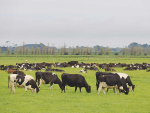
OPINION: New health and safety guidance unveiled by the Government recently provides farmers greater certainty about what is expected of them when managing risks on farm.
Four candidates have been confirmed for two director positions on Fonterra’s board.
A record farmgate milk price and strong global demand is laying the foundation for continued growth of organic dairy farming in New Zealand.
Waikato milk processor Tatua has again declared a record milk payout to farmer shareholders, leaving other processors in the dust.


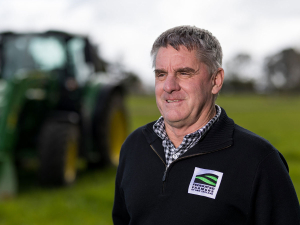
National’s pledge to introduce 19 new national standards shows the party is serious about getting Wellington out of farming, Federated Farmers says.
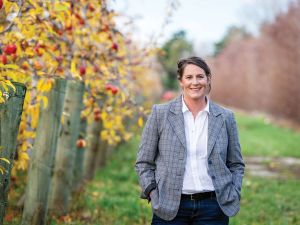
The National Party’s policies to make it easier to grow fresh vegetables, secure reliable water and energy and simplify farm planning are practical changes that will give growers the confidence to invest, according to Horticulture New Zealand (HortNZ).
Fonterra Co-operative Group chief financial officer Andrew Murray has resigned to take up a role outside the dairy giant.
A major move is about to get underway to improve the quality and viability of dairy beef and cattle in NZ.
Veterinarians say changes to the code of welfare for dairy cattle provides a positive foundation for improved cattle welfare across the country.
Today, 15 October, is the International Day of Rural Women, which recognises rural women’s contribution to farming, communities and the environment.