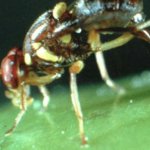
No new fruit fly detection
The Ministry of Primary Industries says there have been no new detections to date of the fruit fly in Auckland and no adverse reaction from trading partners.
 increase font size
MAF'S DRAFT regulatory impact statement (RIS) on Fonterra's milk price setting, capital restructure and share valuation makes worrying reading, unless you're a competitor of the cooperative, or a corporate investor.
The ministry wants to regulate milk price governance, with Commerce Commission monitoring and mandatory disclosure of pricing information.
Meanwhile, to ensure freedom of supplier entry and exit from the co-op, the ministry's preference is legislation to "underpin and strengthen" Fonterra's TAF (trading among farmers) proposal.
Earlier in the 20-page document MAF notes TAF would, through the interests of external investors in Fonterra, provide some counterbalance to the interests of Fonterra's farmer-shareholders, whose interest is primarily to maximise the milk price Fonterra pays them.
So the ministry is echoing what those raising concerns about TAF have been saying all along: outside investors, even if only buying units giving them dividend rights, will seek to minimise the milk price and maximise the dividend. MAF also notes investors holding fund securities may be consulted on nominations for Fonterra's independent board seats.
If TAF doesn't go ahead, the ministry recommends legislating share pricing.
What's prompted MAF's suite of regulatory recommendations? It's worth noting the Ministry of Foreign Affairs and Trade, among others, was consulted and agreed on the RIS content. There's little doubt many of our trading partners would love to see Fonterra hobbled.
There's also the political background: a Prime Minister who has publically acknowledged he'd like to see Fonterra listed and a governing party that was in opposition when Fonterra was formed. Meanwhile some of those who were MPs at that time now have interests in Fonterra competitors. And Fonterra's rivals are using furiously lobbying in Wellington to clip Fonterra's wings.
MAF clearly doesn't trust Fonterra not to abuse its dominant position. Competitive contract pricing when New Zealand Dairies and Open Country opened new plants in the South Island can't have helped. But has it occurred to MAF that Fonterra may be able to pay more to its suppliers simply because it is more efficient, and has economies of scale? After all, that's why Fonterra was formed.
The Ministry of Primary Industries says there have been no new detections to date of the fruit fly in Auckland and no adverse reaction from trading partners.
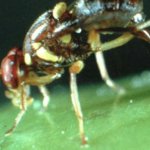
Testing on samples from fruit fly traps in the Auckland Controlled Area has so far shown no sign of further fruit flies, says MPI.
The Ministry for Primary Industries (MPI) is investigating a find of a single male Queensland fruit fly in a surveillance trap in the Auckland suburb of Mt Roskill.
MAF SAYS it has considered the risks associated with a new ruminant viral disease sweeping Europe and considers them "sufficiently managed."
OVERSEER, A system used to track nutrient flows around farms – especially dairy – is to be upgraded. Overseer is owned jointly by MAF, Fert Research and AgResearch.


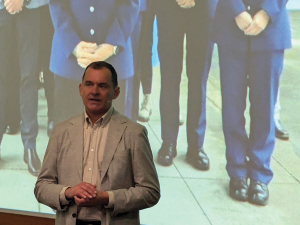
New Zealand farmers have been told they all have amazing people on their farms and have been urged to be “that one person” that can make a huge difference to those going through tough times.
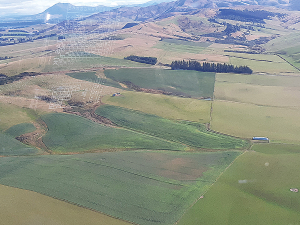
OPINION: For thousands of Southland farmers, this week would have tipped them into the non-compliant category when it comes to following regional freshwater plan rules. But the Government has stepped in to give them the clarity they deserve.
The stark realities of the world trade that New Zealand is having to face have been revealed by Trade Minister Todd McClay.
New Zealand and the European Union are closer than ever.
The latest data from the Real Estate Institute of New Zealand (REINZ) reveals a mixed rural property market due to consistent inflation concerns.
Animal welfare improvements as well as reduced costs for dairy farmers are at the heart of a new move which could help cut back on the waste of unused vet drugs.