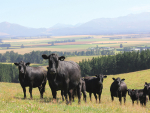
BVD Control Begins Long Before You See A Problem
Bovine Viral Diarrhoea (BVD) is sometimes viewed as a dairy industry issue, but the reality is that the disease can have serious consequences for beef breeding herds as well.




 increase font size

The Ministry for Primary Industries (MPI) is investigating a find of a single male Queensland fruit fly in a surveillance trap in the Auckland suburb of Mt Roskill.
The fly was collected from a trap on May 8 and formally identified late yesterday.
MPI Deputy Director General Compliance and Response, Andrew Coleman, says only the one male insect has been found and it does not mean that a full breeding population is present in New Zealand.
"Since 2006 the Ministry has intercepted species of fruit fly 53 times at the border, preventing a population from establishing here," Mr Coleman says.
"Additionally, the Queensland fruit fly has been detected twice before in New Zealand – in Northland in 1995 and in Auckland in 1996. In both cases increased surveillance found no further sign of Queensland fruit fly and there were no breeding populations present."
MPI has responded urgently and field teams will be starting to work in the Mt Roskill area checking properties in the vicinity and setting additional traps to determine if other fruit flies are in the area.
"It is vital that we ascertain if the insect is a solitary find or if there is a wider population in Auckland.
"This insect is an unwanted and notifiable organism that could have serious consequences for New Zealand's horticultural industry. It can damage a wide range of fruit and vegetables.
MPI is working closely with trading partners and the horticultural industry to minimise the risk of trade restrictions for New Zealand growers and exporters.
The Ministry will have a controlled area in place and will publicly advise further detail of this. Within the controlled area certain restrictions will apply – these are likely to include controlling the movement of fruit and vegetable material out of the area.
Coleman says the most likely way that fruit fly can arrive in New Zealand is in fresh fruit.
MPI has strict import requirements in place to minimise this risk. All plant material and fruit that can host the Queensland fruit fly can only be imported to New Zealand under the requirements of the relevant Import Health Standard. These standards define the approved pre-export treatment systems and certification requirements to manage the risk of fruit fly and other pests from entering and establishing in New Zealand. Air and sea passengers are prohibited from bringing fresh fruit and vegetables into the country.
Bovine Viral Diarrhoea (BVD) is sometimes viewed as a dairy industry issue, but the reality is that the disease can have serious consequences for beef breeding herds as well.

Election years are always a concerning time for farmers, according to DairyNZ chair Tracy Brown.
Testing confirms H5 bird flu in a single northern giant petrel, found dead on a remote Cape Palliser beach in the Wairarapa, says Dr Mary van Andel, the Ministry for Primary Industries' (MPI) Chief Veterinary Officer.
Bovine Viral Diarrhoea (BVD) is sometimes viewed as a dairy industry issue, but the reality is that the disease can have serious consequences for beef breeding herds as well.
Four years since it was first detected in New Zealand, researchers and growers now know much more about management of maize pest fall armyworm (FAW).


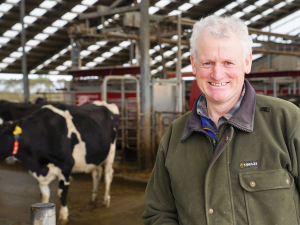
In Dacre, near Invercargill in New Zealand’s South Island, Bruce Dinnington is running a dairy operation unlike any other.

A free online platform aggregating governance vacancies across rural and regional New Zealand has been launched.
Environment Minister Nicola Grigg has announced details of a new rural plastics recycling scheme.
Agricultural drone operators say that a government decision to allow lower-risk drone work without certification won’t lower standards but drive innovation and efficiency.
OPINION: Warning bells are ringing in the arable sector.
Farmgate lamb prices are down by 8%, beef cattle by 4.5% and farm expenditure up by 4.2%.



OPINION: The same mainstream media muppets that brought you Jacindamania in 2017 have been flat out pimping for the Opportunities…
OPINION: Your old mate reckons the atrocious way farmers in the UK are treated by their lords and masters in…




