
M.I.A.
OPINION: The previous government spent too much during the Covid-19 pandemic, despite warnings from officials, according to a briefing released by the Treasury.
 increase font size
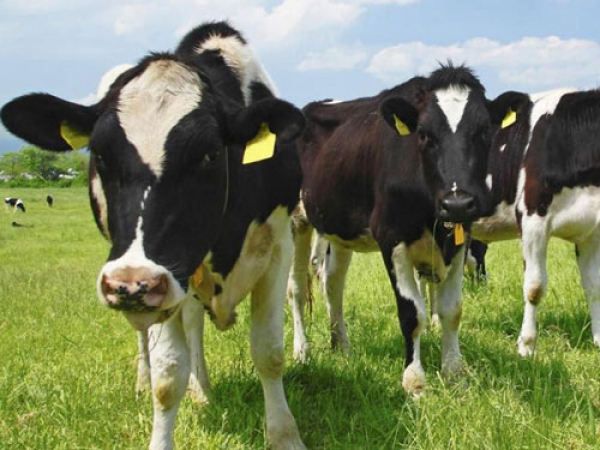
OPINION: Uncertainty and challenges loom but don’t worry New Zealand, farmers have your back.
That’s the outlook for the primary sector as it moves into a full year in the Covid-19 environment.
The latest report from the Ministry for Primary Industries states that in the past year to the end of June, revenue from primary exports will be up by $1.7 billion on the previous year, helped significantly by dairy exports which were up $512 million from the start of March.
Overseas consumers are now more than ever looking for healthy, New Zealand-made food putting farmers and growers in a strong position to help us reboot our economy.
The MPI report says along with the sector, the Government is focused on creating more demand, pursuing greater market opportunities to generate higher export returns and growing rural communities with new jobs.
But the future is uncertain. Uncertainty is how MPI sees the outlook in the coming year and notes that the full impact of the Coronavirus pandemic is still some time away with the global outlook rapidly deteriorating. It points to changes in consumer behaviours with an emphasis on people cooking at home more – especially in China. This it says means consumers will look for foods that are easier to cook and that these food items may outperform some high value items that dominated the food service sector. But here is some good news, with the authors of the report saying that consumers will be looking for quality healthy food, which is an area of strength for NZ.
The report also provides a snapshot of how Covid-19 disrupted New Zealand’s primary industry exports – including logistics issues and more limited air freight options – and demonstrates how the sector and MPI worked together to find ways to operate safely under Covid-19 restrictions.
At the start of the Covid crisis, the logistics and supply channels for getting our products to overseas markets was a huge problem, but the report says this now is much less of a worry.
However, it makes the point that products that rely on air freight will likely face ongoing disruption because there are fewer passenger flights. Only about 5% of NZ’s exports are air-freighted, but they tend to be high value ones such as seafood, lamb and some horticultural crops – and infant formula.
We are by no means out of the woods and the next few years are going to be tough on some sectors as importers and consumers re-evaluate their priorities in the wake of Covid-19. And the primary industries sector is here to help.
The strength of New Zealand’s primary sector coupled with the success of our health response to COVID-19 gives us a head-start on the world as we get our economy moving again.
OPINION: The previous government spent too much during the Covid-19 pandemic, despite warnings from officials, according to a briefing released by the Treasury.
OPINION: Labour leader Chris 'Chippy' Hipkins is carrying on the world-class gaslighting of the nation that he and his cohorts started after their disastrous Covid response; now trying to undermine the Covid inquiry to protect his own backside.
OPINION: Did former PM Jacinda Ardern get fawning reviews for her book?
OPINION: Welcome to the second annual NZ Dairy Expo at Matamata – an event created to bring together the best of the New Zealand dairy industry in a focused, grassroots environment where dairy farmers and rural professionals can meet, talk, compare products, and make smart decisions for their farms.
It's a bloody tough year for sheep farmers, but the worst may be over, and the future looks optimistic.


High country stations, mixed sheep and beef farms, Māori-owned farms, corporates and family operations are among the nine commercial farms taking part in the Livestock Innovation Farming Transformation programme, known as LIFT.
OPINION: New health and safety guidance unveiled by the Government recently provides farmers greater certainty about what is expected of them when managing risks on farm.
The National Animal Welfare Advisory Committee (NAWAC) is seeking public feedback on proposed changes to the Code of Welfare for Rodeos.
A New Zealand initiative supporting farmers to restore the health of grazing landscapes has received international backing through the Regenerative Fund for Nature, a global collaborative fund supporting regenerative agriculture and the communities that produce natural fibres for the fashion industry.
Combine premium New Zealand products, blend in a family ritual and what do you get? A world-class functional drink.
Entries are now open across eleven regions for the 2027 New Zealand Dairy Industry Awards (NZDIA).