Six Priorities to Unlock Growth
OPINION: Dairy farmers know better than anyone that change is constant.
 increase font size
 The new standards will take effect on October 31.
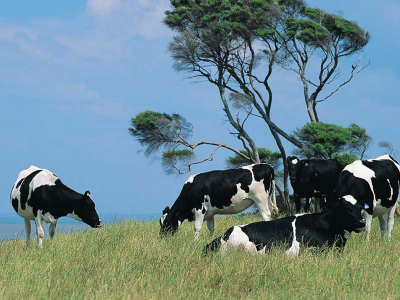
The code of welfare for dairy cattle has been amended to address behavioural needs and off-paddock systems, says the National Animal Welfare Advisory Committee (NAWAC).
The new standards will take effect on October 31.
NAWAC chair Dr Gwyneth Verkerk says the amendment sets out new standards to ensure people working with dairy cattle meet their animals’ behavioural needs and adopt high levels of care when keeping dairy cattle in off-paddock facilities, including feed-pads, stand-off pads, wintering pads, and loose-housed and free-stall barns.
“It is very important that dairy cattle can lie down and rest in all management systems, including on pasture, on crops, and in off-paddock facilities,” Verkerk said.
“Dairy cattle like to lie down where it is comfortable and dry. They refuse to lie down on hard, wet or muddy ground and can become stressed as a result.”
She says keeping cows off paddock, especially in the long term, can present risks to animal welfare and the new standards address this.
Dairy cattle kept in off-paddock facilities beyond three days must now be provided with a well-drained lying area with a compressible soft surface or bedding and shelter. NAWAC also wants dairy cattle which are housed long-term to have access to outdoors, but says affected farmers should be given time to comply.
“The Minister of Agriculture has agreed to delayed provisions for outdoor access and his officials will be working with us to determine how to implement these,” Verkerk said.
She says the change is aimed at encouraging people responsible for the welfare of dairy cattle to adopt the highest standards of husbandry, care and handling.
OPINION: Dairy farmers know better than anyone that change is constant.

A Palmerston North shearer has been sentenced to six months' community detention and 12 months' supervision after being found to have physically abused three lambs while shearing them.
Rearing facilities should be set up and maintained well to ensure calves stay healthy.
On a farm in Tikorangi, North Taranaki, Brent Stevenson is sharemilking 1,400 cows.
An Auckland man has been fined $6,000 for offering to sell illegally slaughtered pigs.

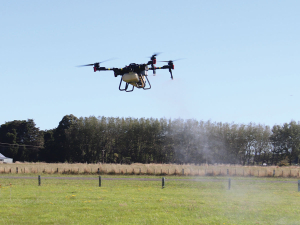
OPINION: David Seymour and James Meager's plan to make it easier for farmers and orchardists to operate drones can best be described a 'courageous' move.

New Zealand wool is reaching new heights as air filtration companies move away from synthetic products to biodegradable alternatives.
Opuha Dam's ability to protect South Canterbury communities from major flooding has taken a significant step forward, with Opuha Water Limited (OWL) successfully commissioning a new outlet valve capable of releasing record volumes of water from the dam ahead of a weather event.
There's been widespread support from the primary sector for the Government's announcement on changes to freshwater farm plans that come under the Natural Environment Bill, which is now set to replace the existing RMA.
A partnership between state-owned enterprise Pāmu (Landcorp Farming Limited) and charity Meet the Need is putting more than quality New Zealand beef into food bank parcels this year.
The Opportunity Party has faced criticism during the election campaign that its policies are too urban-focused and offer little for rural communities.