Move over ham, here comes lamb
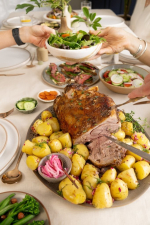
It’s official, lamb will take centre stage on Kiwi Christmas tables this year.
 increase font size

WHILE MUCH of this season's lamb crop is still in the paddock, thoughts should be turning to protecting next spring's drop, say vets.
The ideal timing for toxoplasmosis and campylobacter vaccinations is a month or two before the rams go out, explains MSD's Jason Leslie.
Avoiding abortion storms, typically causing 20-30% losses but up to 70% in extreme cases, is the main motivator for vaccinations but Leslie says many farmers who don't vaccinate probably don't realise the insidious losses their flocks may well be suffering due to the diseases, particularly campylobacter.
"It's only when you get it for the first time you get an abortion storm. That's the easy scenario to diagnose, but on a lot of farms it's just grumbling away in the background, dragging down scanning results and lambing percentages."
Losses occur throughout pregnancy, and after birth as lambs, if they make it that far, are weaker. Average response to vaccination is 5 to 6% more lambs tailed, but can be 9% in high risk situations.
"It's a gut bacteria so anything that increases the risk of faecal-oral transmission increases the risk of a clinical outbreak: mob stocking in winter would be the main one."
Ewes' immunity is reduced by pregnancy, and damp conditions allow the bacteria to persist on pasture for longer, hence why risk rises in winter.
Aborted material from infected ewes also carries the bacteria. "Seagulls are a factor in moving infection from property to property."
A high number of wet dries and late lambing ewes is often a tell-tale sign that there's an undiagnosed campylobacter problem, he adds.
Two shots are needed to protect previously unvaccinated stock from the bacteria, and they need to be given four to six weeks apart. If you put the ram out at the start of April, that means ewes; hoggets or ewe lambs need their first shot by the start of February to allow time for the second to be administered well before mating.
Ewes previously protected by CampyVax4 vaccine only need a booster, but again that should be given a minimum of four weeks before joining.
"So that the immune system can respond to the vaccine and no detrimental effect ovarian activity."
Studies have shown campylobacter is present on 88% of New Zealand sheep farms yet only about half vaccinate.
Awareness of the risk from toxoplasmosis appears greater, with 76% of South Island farms vaccinating, but still only 63% in the North. That's despite the causative protozoa, Toxoplasma gondii, being endemic on New Zealand farms.
"We have seven years' recorded data and we've never found a property without evidence of toxo," notes Leslie's colleague, Lynda Homer.
Ewes only need vaccinating once for toxoplasmosis, ideally at least four weeks prior to their first mating.
"One shot and then they're protected for life."
While cost of vaccines varies clinic to clinic, it is modest compared to the response, she adds.
"We know that shot more than pays for itself in the first year and you get protection of your ewes for every year after that."
Both vaccines are prescription only and vet advice is required. The toxoplasmosis vaccine is a live vaccine so it is particularly important it is stored and prepared according to instruction to ensure efficacy, adds Leslie.
It’s official, lamb will take centre stage on Kiwi Christmas tables this year.

Alliance Group has secured greater access for chilled beef exports to China, following approval for two of its processing plants to supply the market.
There's been a dramatic and larger than expected drop in the number of lambs produced in New Zealand.
Beef + Lamb New Zealand (B+LNZ) says recent criticism from the UK’s Secretary of State for Environment, Food and Rural Affairs regarding New Zealand’s animal welfare standards are unfounded.
After a tough 18-plus months, there is now an air of optimism in the sheepmeat market as we hit the start of the 2024-25 export season.



New Zealand's 2026-27 freshwater fishing season has opened, with anglers encouraged to head to rivers and lakes over the coming days as conditions look favourable across much of the country.
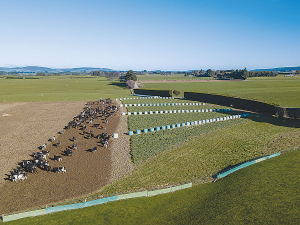
Central Otago District Council (CODC) has voted against a plan to spread treated sewage sludge from Cromwell and Alexandra on farmland near Lauder, a decision Federated Farmers says reflects strong opposition from rural residents.
Pāmu has released its FY26 Integrated Annual Report, reporting a Net Operating Profit of $113 million, more than double the $49 million recorded in FY25.
Meat Industry Association data, released alongside the Red Meat Sector conference in Wellington, shows export value climbing across the US, China, UK and Canada.
Applications are set to open for the 2027 Zanda McDonald Award, a trans-Tasman award recognised for identifying and fast-tracking talented young leaders in agriculture and agribusiness.
The Royal New Zealand College of General Practitioners (the College) and Hauora Taiwhenua Rural Health Network are calling for investment in a proposed new training pathway for rural GPs, warning that many rural practices are struggling to recruit while a large share of the existing workforce nears retirement.