NZ Apple Sector Pushes for Japan & Korea Market Access
The apple sector is working with the Government to unlock access to two key markets that could bring millions in revenue for apple growers.
 increase font size
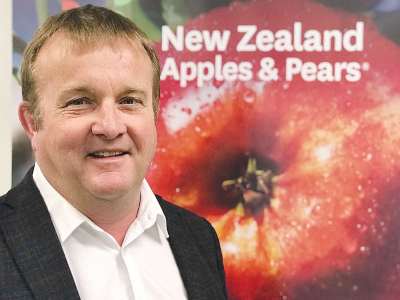 NZ Apples and Pears’ Gary Jones believes the RSE scheme can help solve the apple picking crisis and housing issues in Hawke’s Bay.
Hawke's Bay's apple industry will spend $30 million on building accommodation totalling 1500 beds for RSE (recognised seasonal employment) workers.
The Government is yet to decide on approving 1000 extra RSE workers to help pick Hawke’s Bay’s $650 million apple crop in 2020.
The apple industry says it is meeting the Government’s challenge head-on, where RSE employers must show they can provide beds for the 5400 RSEs they need in Hawke’s Bay for next season.
New Zealand Apples and Pears manager of trade policy and strategy, Gary Jones, says the RSE scheme will solve the apple picking crisis and the housing crisis in Hawke’s Bay.
He says this season millions of dollars of apples were left rotting on the trees in Hawke’s Bay before the Government declared a seasonal labour shortage for the second consecutive year.
“We’ve listened and responded to the Government’s challenge,” Jones said.
“Together we’ve developed a partnership and we will work positively with the Government, in helping the region out of a housing crisis and growing our economy and export industry.”
The new RSE accommodation — estimated at $25,000 per bed — will be in new buildings and large scale ‘fit for purpose’ renovated buildings. About 1350 beds are consented and 400 more are in the pipeline.
The work will see almost all the 5400 RSE Hawke’s Bay workers housed by the industry. Rented houses will not be needed in urban areas.
Jones says the buildings will help to house “vulnerable New Zealanders” short term, and some will be offered apple industry jobs and a ride to work each day.
“The RSE scheme is [providing] fulltime employment and career pathways especially in new technology areas,” he said. “But we can’t grow jobs if millions of dollars of apples are left rotting on trees.”
Hawke's Bay is the largest apple and pear growing region in NZ.
The apple sector is working with the Government to unlock access to two key markets that could bring millions in revenue for apple growers.
For over 50 years Mel Ewers has been supporting the apple sector navigate through compliance and quality assurance issues.
New Zealand apple and pear industry stakeholders are out in force for the annual conference in Queenstown.
With ethical employment practices a "hot topic" in key markets, Sustainable Winegrowing New Zealand (SWNZ) is strengthening its People Pillar.
OPINION: Farmers have been clear: it is getting harder, not easier, to find and keep good people.


Massey University is best placed to solve the “problems” facing the dairy industry, says vice chancellor, Pierre Venter.
Synlait's longest serving employee – a man who joined the Canterbury-based milk processor even before it began processing milk – is now its newest executive.
A dairy industry leader believes eradicating the common and costly disease, Bovine Viral Diarrhoea (BVD) is within reach.
A farmgate milk price of $10/kgMS this season is firming up as milk powder prices soar and the New Zealand dollar weakens.
Federated Farmers has welcomed new rural policies released by ACT, saying they align closely with its own election priorities.
Rural Contractors NZ says proposed changes to land transport rules for agricultural vehicles are a welcome response by the Government to out of date regulations which have seen members hit with huge fines.